




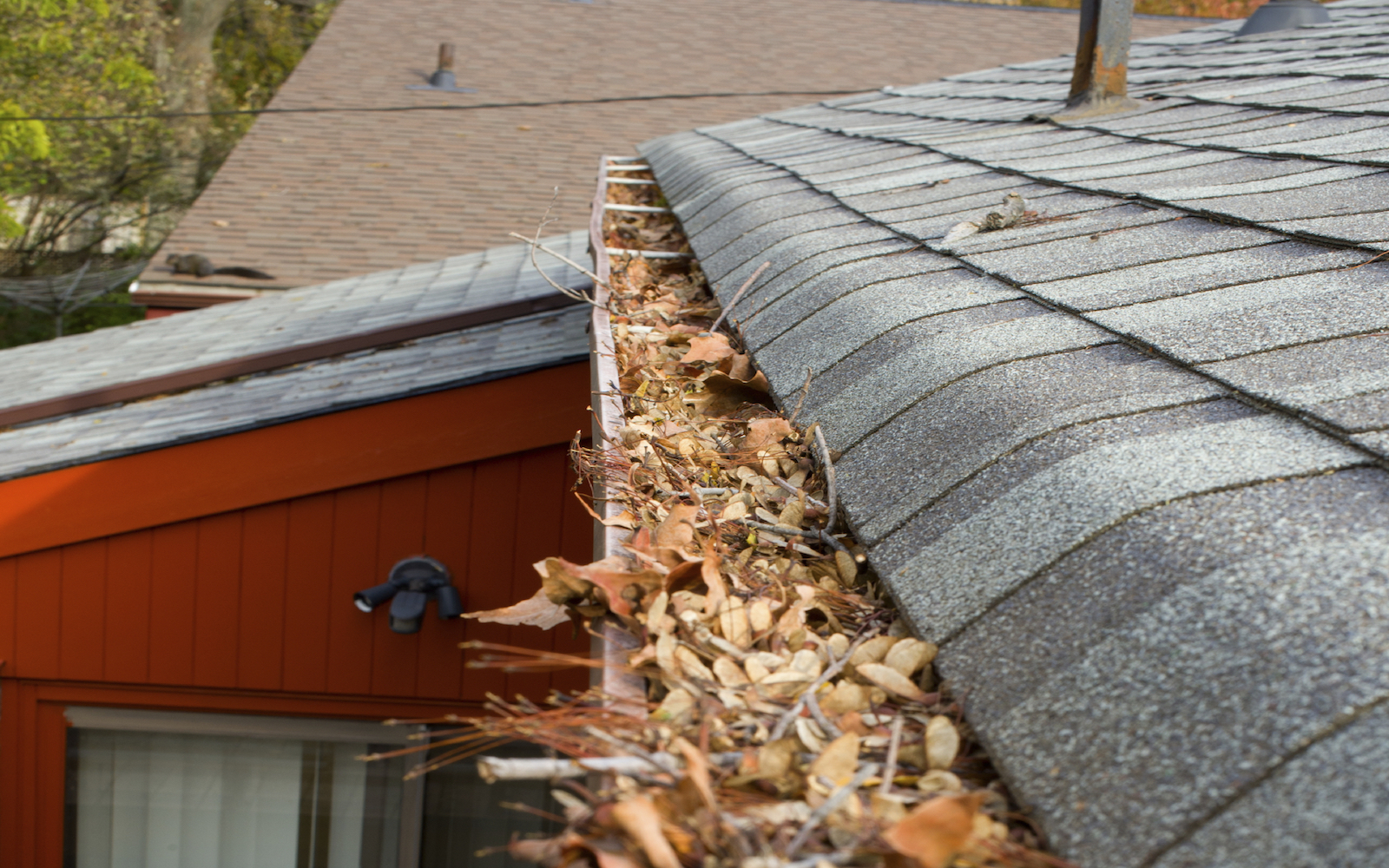
 Most homes have rain gutters than run the perimeter of the house at the roof line. The gutters, in conjunction with downspouts, carry water away from your home’s foundation. Without rain gutters and downspouts, water would simply run off the roof, down the side walls, and pool at the base, causing problems.
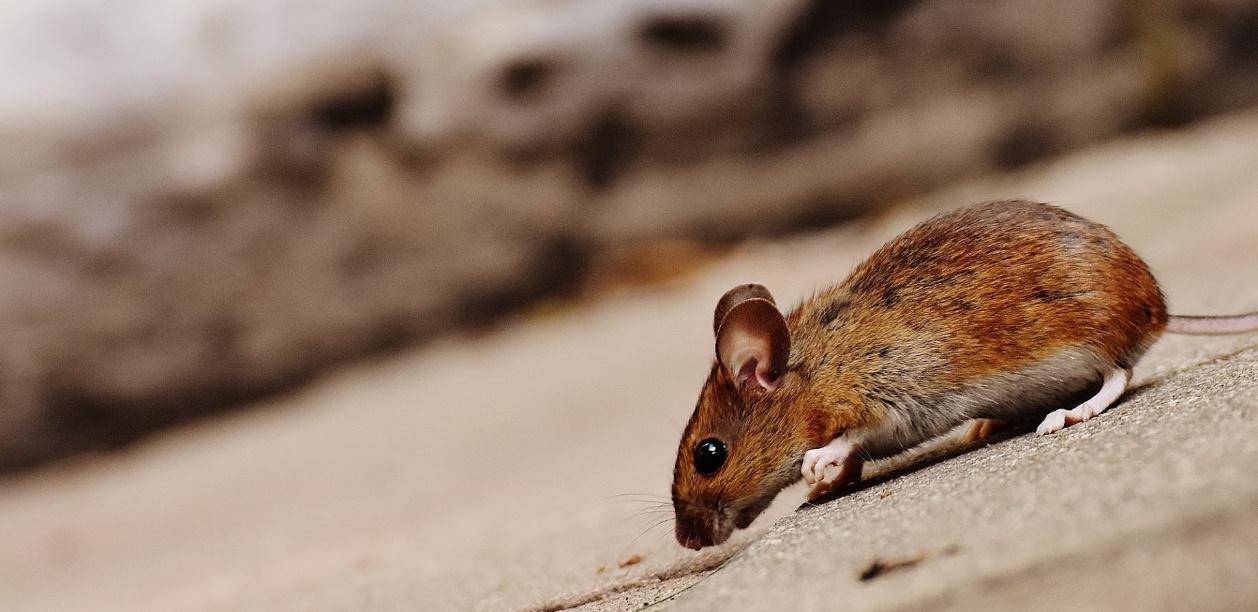 When fall comes around, many people like to hunker down in their homes to stay warm and comfortable as the temperatures drop. Unfortunately, certain pests and rodents may have the same idea and try to take up residence in your house.
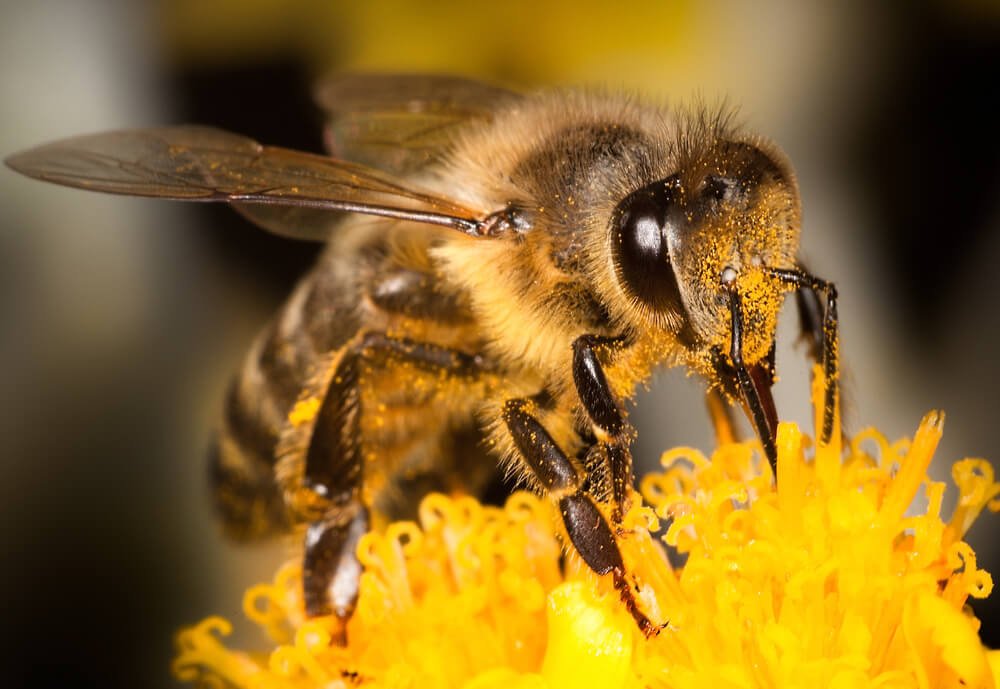
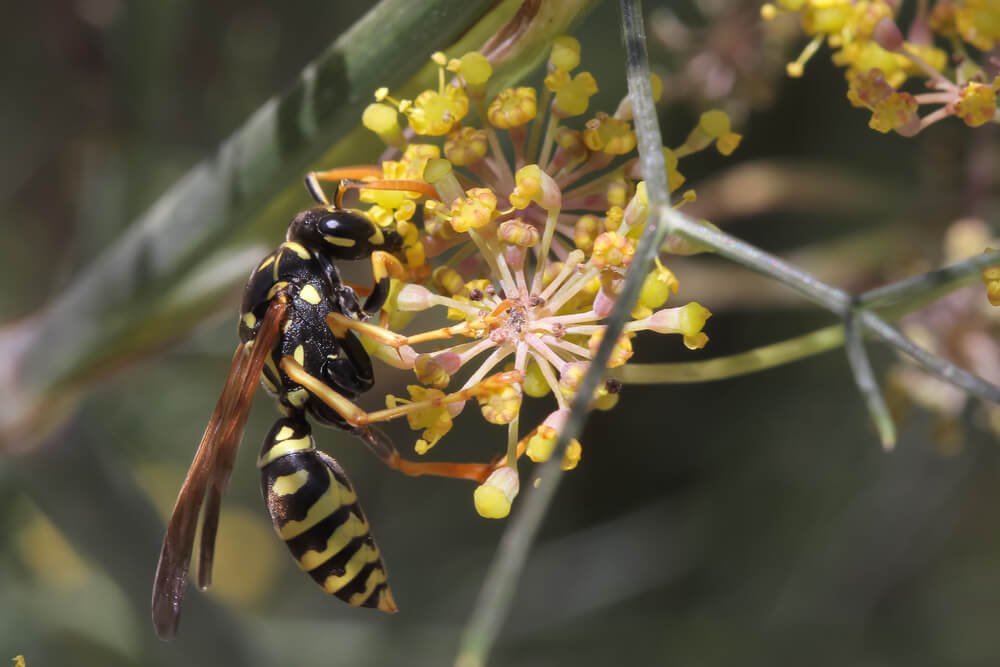
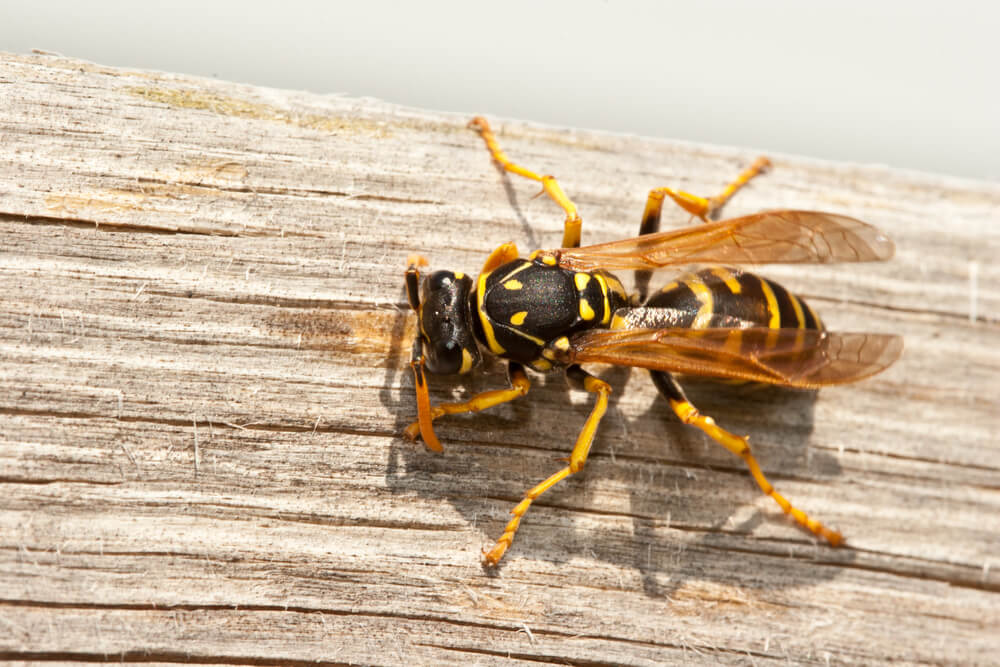
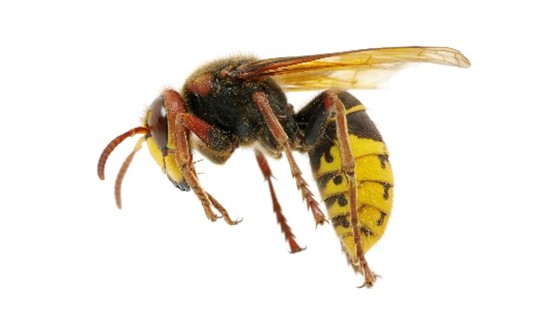
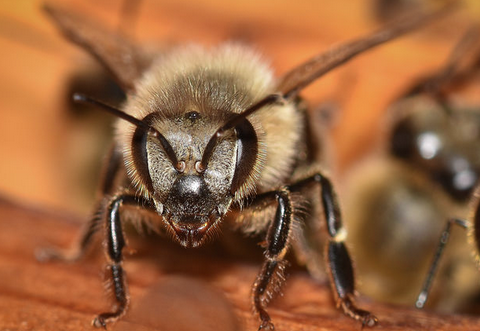
 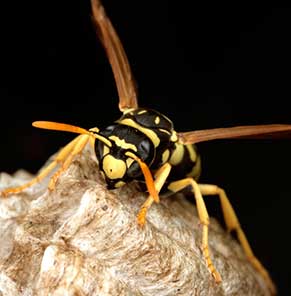 What are those yellow-striped bugs flying around your house and making loud buzzing noises? Are they bees or yellow jackets? How can you tell which bug is which? Here’s important information about bees and yellow jackets to help you spot the differences between the two insects.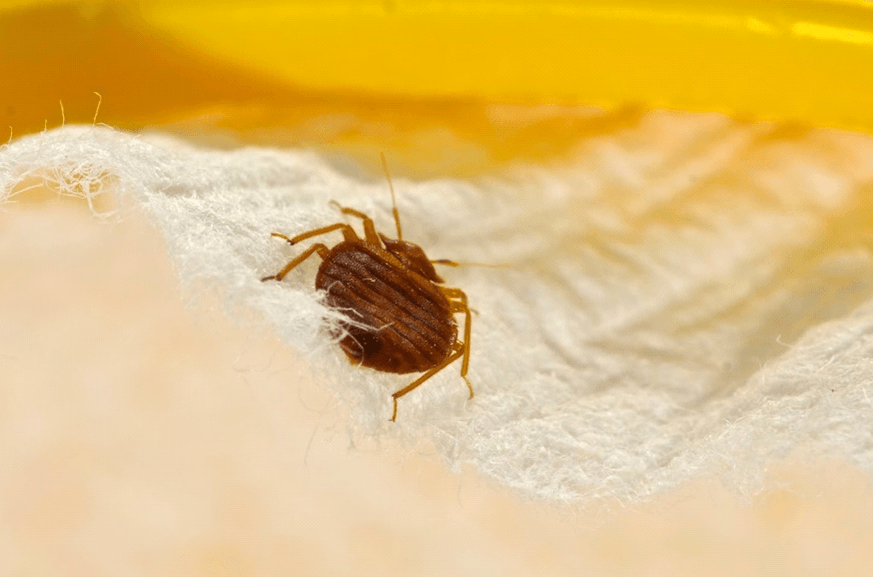

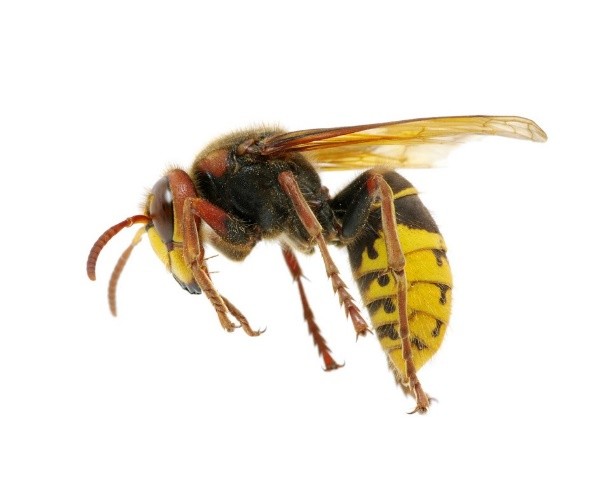 Summer means an increase in insects that fly and sting, like bees and wasps. If your business is related to the food service industry, you may face special challenges concerning flying stingers.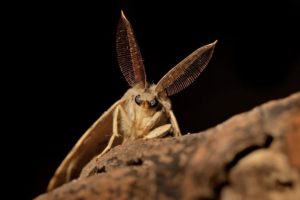
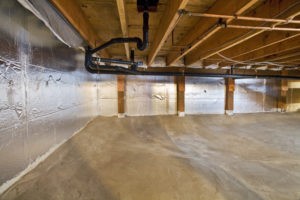 When you look for a hotel, you probably look for amenities like a comfortable bed, a pool, and good room service. Pests are not nearly as picky. In fact, the more damp and musty the space, the more attractive they’ll find it. Your crawl space, for example, may appear to be the perfect hotel for insects, rodents, and other pests — especially as they seek shelter from the cold this winter.
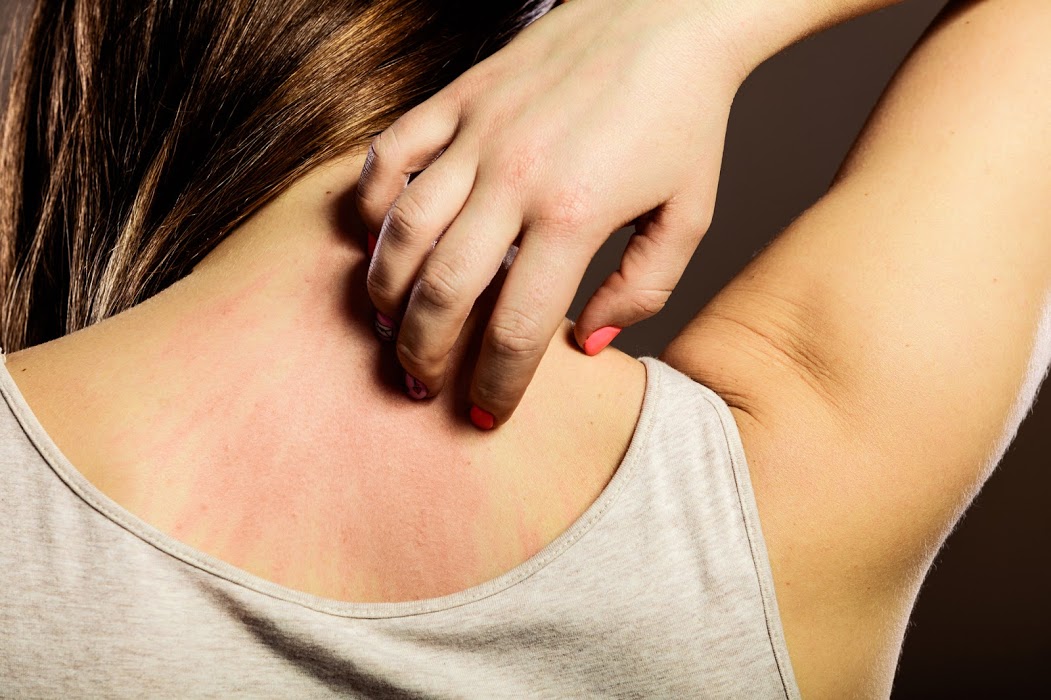



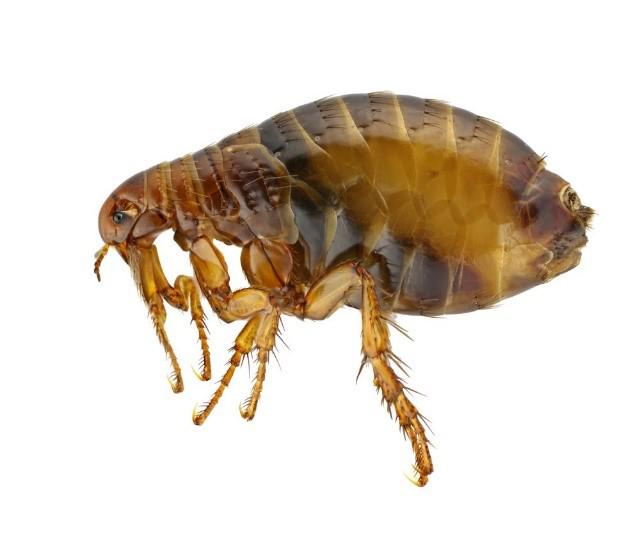
 When we think of larger pests like mice or skunks, we often think of a direct odor associated with them. The same association is typically not applied to insects. While you might see many signs of an insect infestation in your home, the smell of an insect could be one of the key factors.
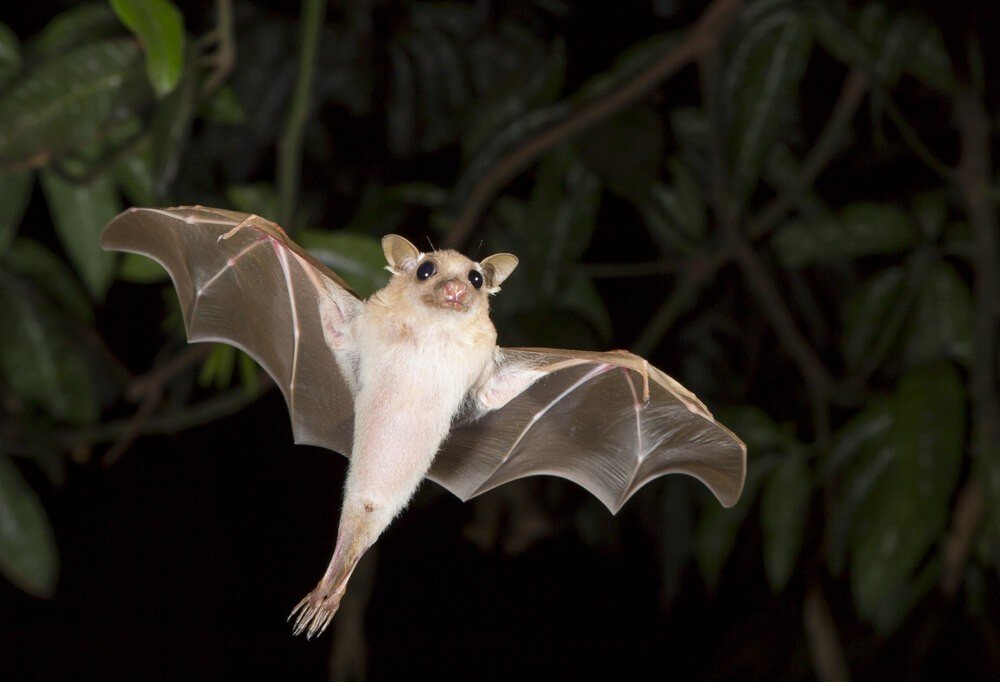
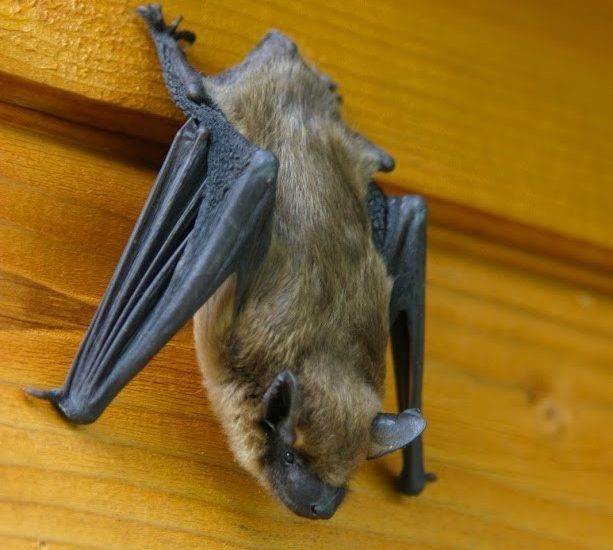
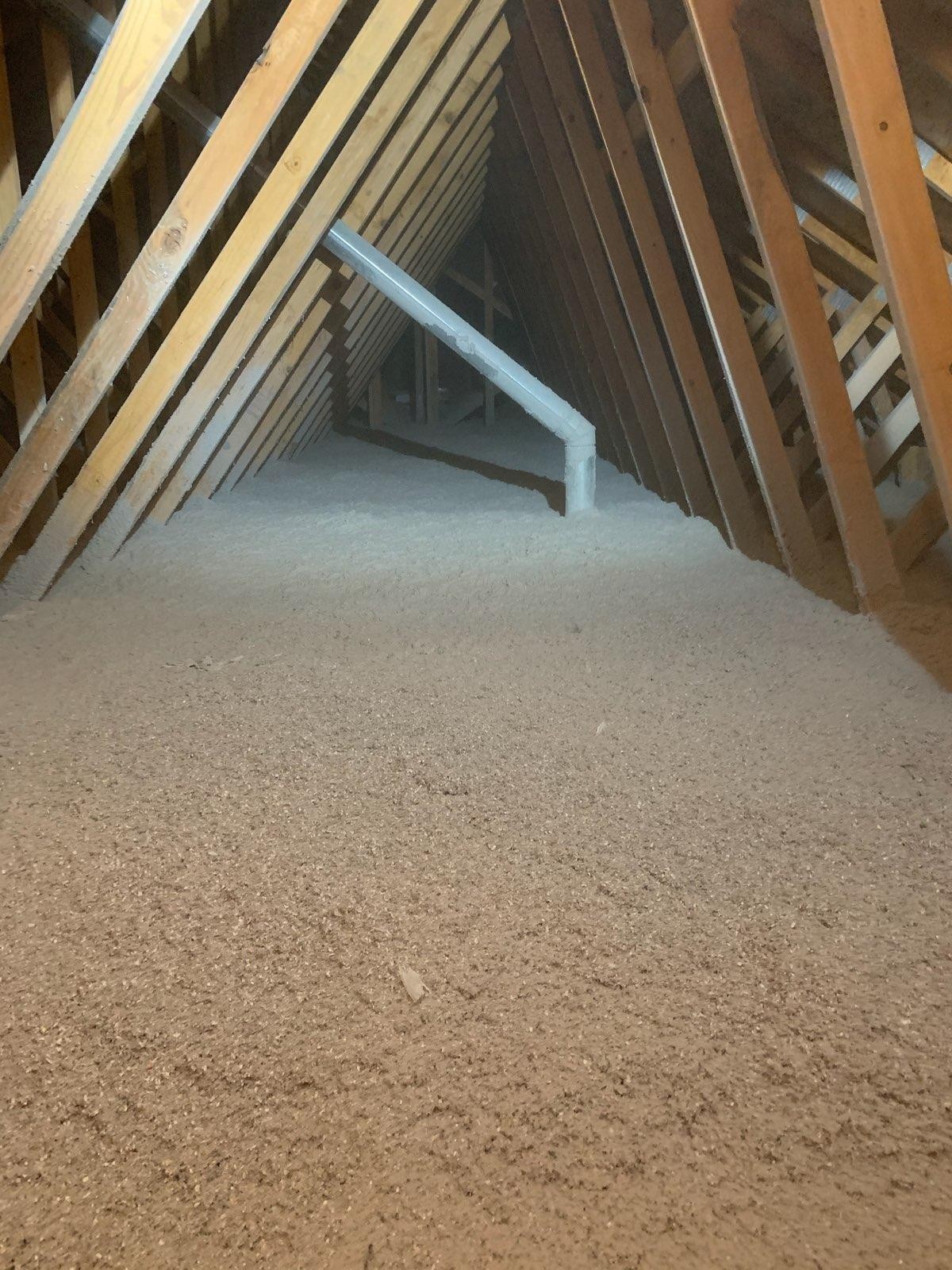
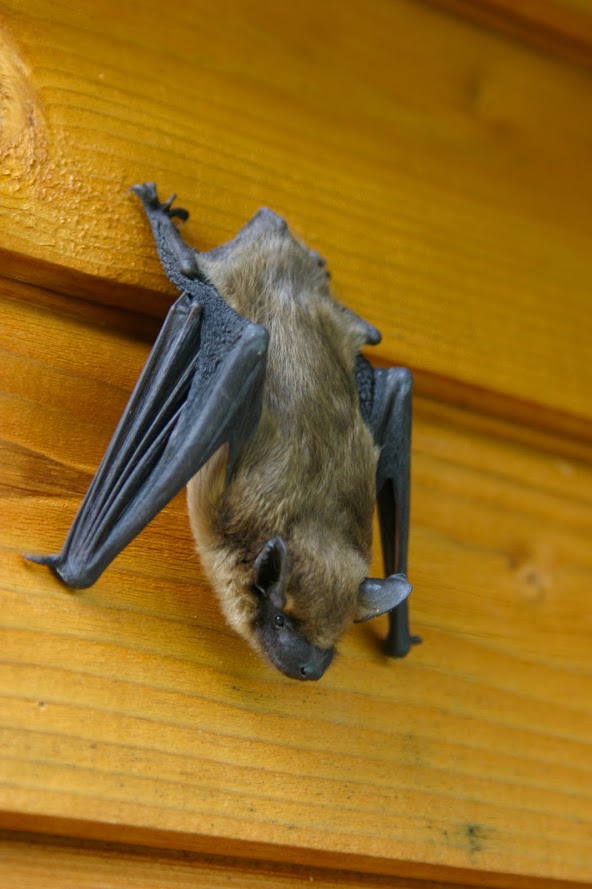
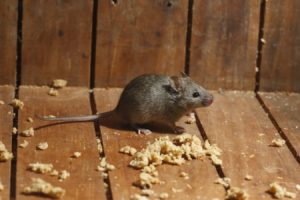 Bats, rodents, birds, wildlife and even insects can find their way into your attic to make themselves at home. The insulation in your attic, along with relatively private quarters, makes this often-ignored space of your house inviting for a variety of pests.
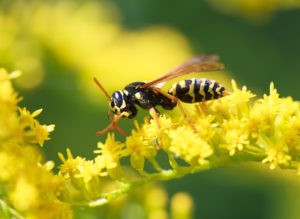 With spring comes warmer temperatures and the increased risk of pests around the home. A pest problem can quickly become an infestation without quick action, so do what you can now to prevent pests later on.
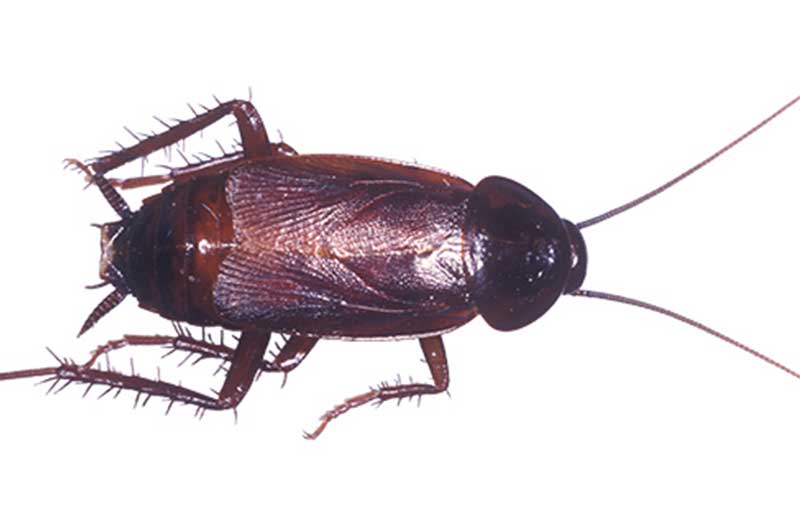
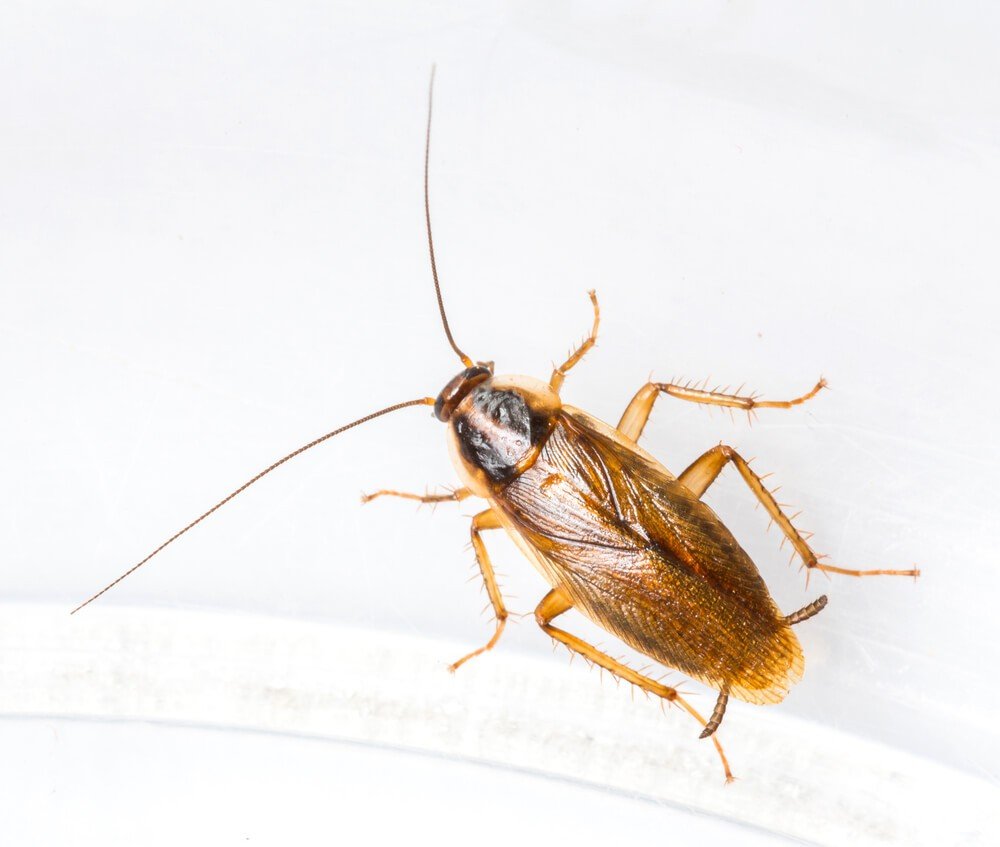
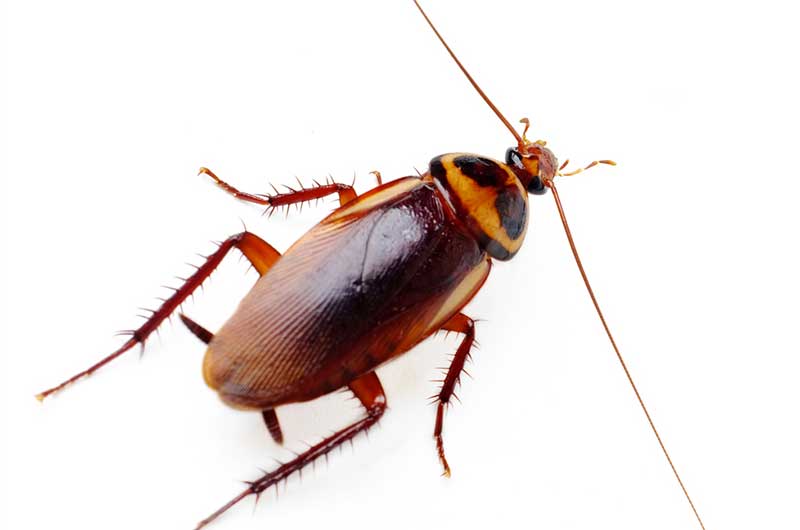
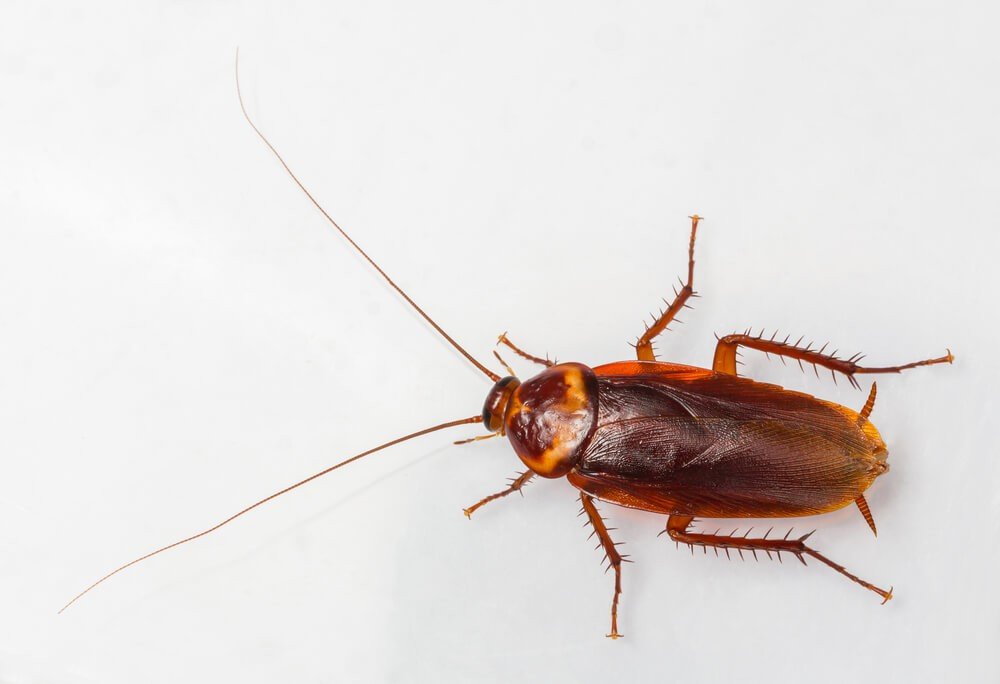
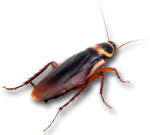
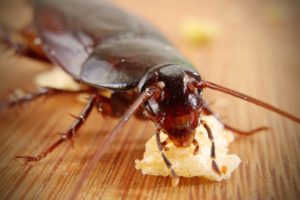 In the United States, four primary types of cockroaches tend to invade homes: German, American, brown-banded, and Oriental cockroaches. The first three get plenty of attention, but homeowners often forget about the Oriental cockroach. It is a less frequent pest in most areas than the other three, but still, you should know the basics about the Oriental cockroach so you can effectively defend your home.
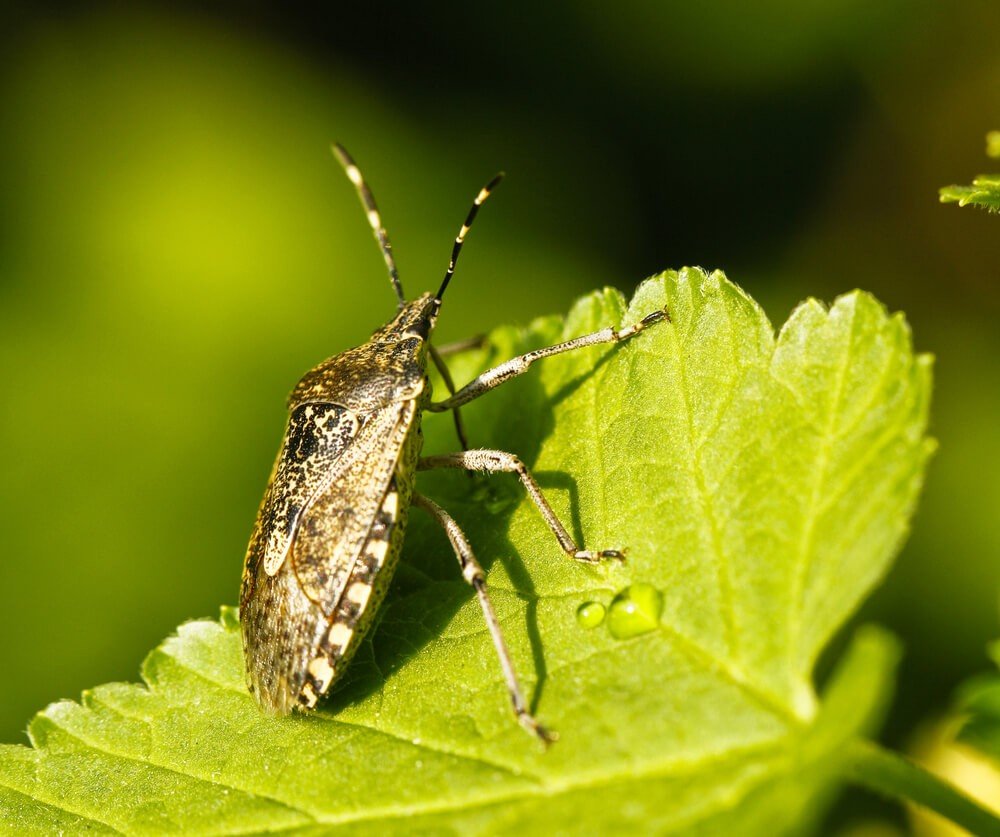
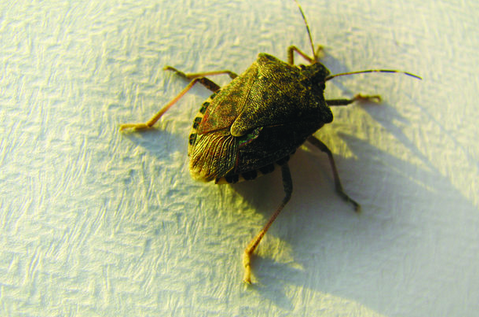
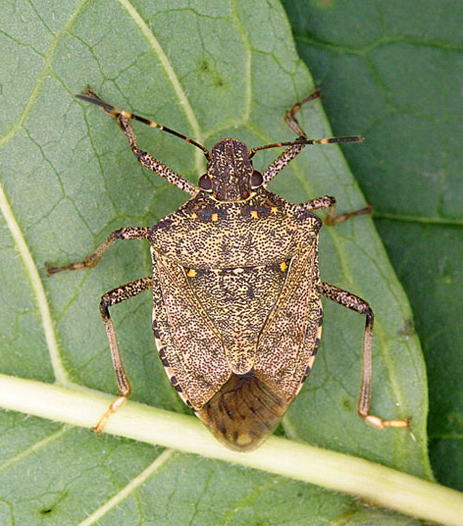
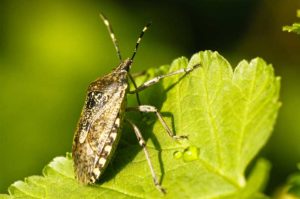 The National Pesticide Information Center reports on a new bug species that has quickly become a pest to both farmers and homeowners: the brown marmorated stink bug. Originating in Asia, this tiny critter poses no health risk to humans.
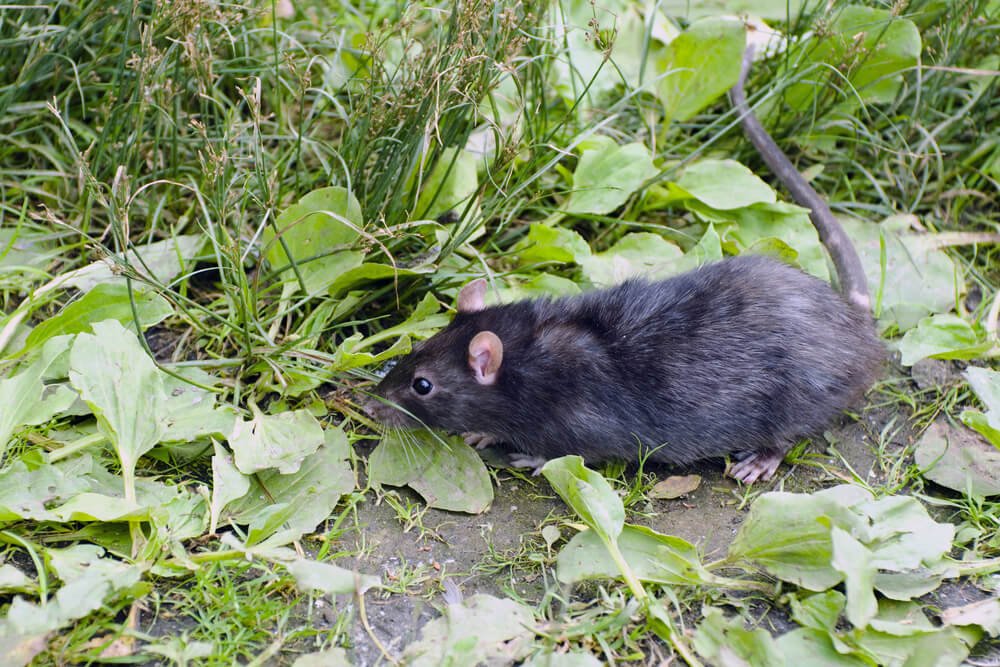
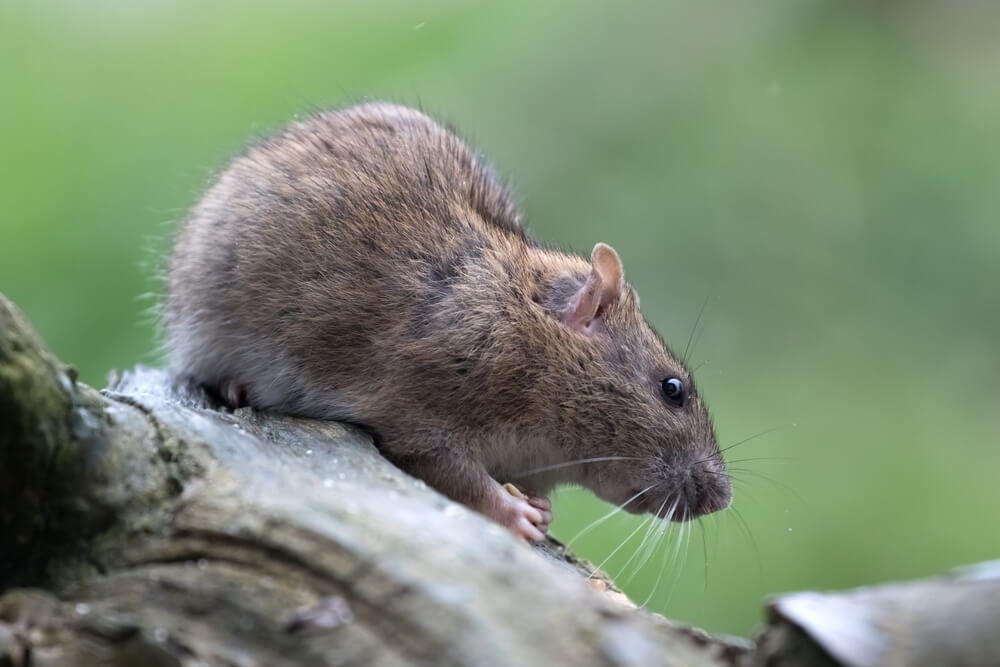
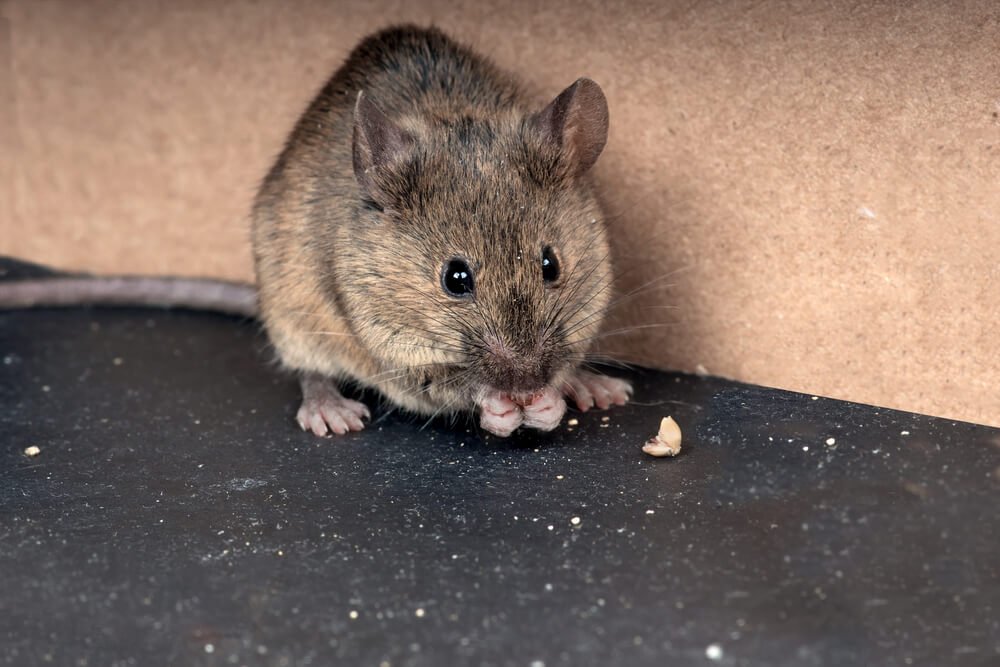
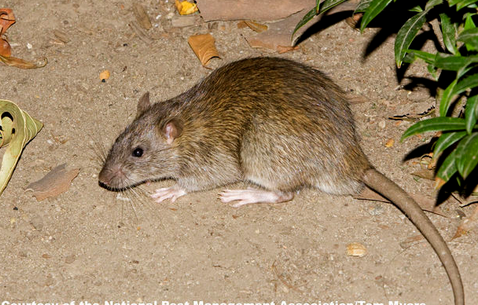
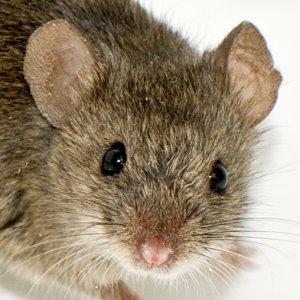
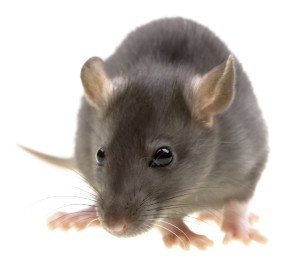
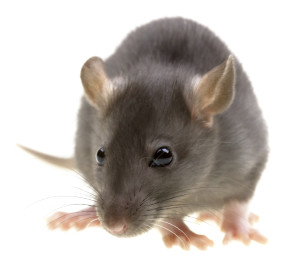
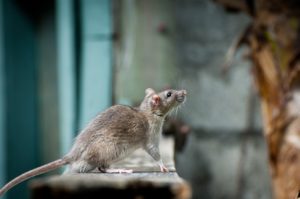 Nobody wants to contend with rodents in their home. Whether you are facing an infestation of house mice, wood mice, or brown rats, you are not happy. Understanding rodent infestations can help you understand how to best deal with them.
Since the pesky little critters known as bedbugs are infesting homes, offices, and hotels from New York to California, detection has become more and more difficult. However, there are alternative solutions to bedbug detection, including using man’s best friend.
Have you ever considered the hidden risks pests might pose to your Richmond, VA, home or business? Pests can cause more than just a nuisance; they can lead to structural damage and health hazards if not managed properly.
In this article, we explore why scheduling regular pest control services in Richmond, VA, is essential for early detection, prevention, and long-term property protection. Understanding the role of inspections, customized treatment plans, and ongoing maintenance can help homeowners and business owners safeguard their investments effectively.
Why a Pest Inspection Service in Richmond, VA, is Critical for Early Detection
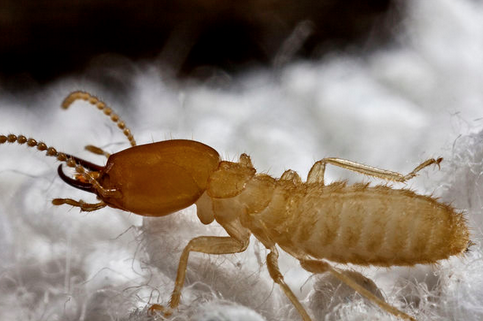
One of the foundational steps in effective pest management is a thorough pest inspection service in Richmond, VA. The importance of pest inspections lies in their ability to uncover infestations early, often before any visible signs appear. Many common pests, including termites, rodents, and cockroaches, tend to hide in walls, crawl spaces, or attics where they can quietly cause significant damage.
Scheduling a detailed pest inspection allows professionals to assess your property’s vulnerabilities and detect the presence of pests at an early stage. This proactive approach not only saves money in repairs but also prevents potential health risks associated with pest-borne diseases and contamination.
Moreover, during inspections, specialists can identify environmental factors that encourage pest activity, such as moisture problems or entry points, and recommend practical solutions tailored to your Richmond, VA property.
How Inspections Identify Hidden Issues Before They Become Costly Problems
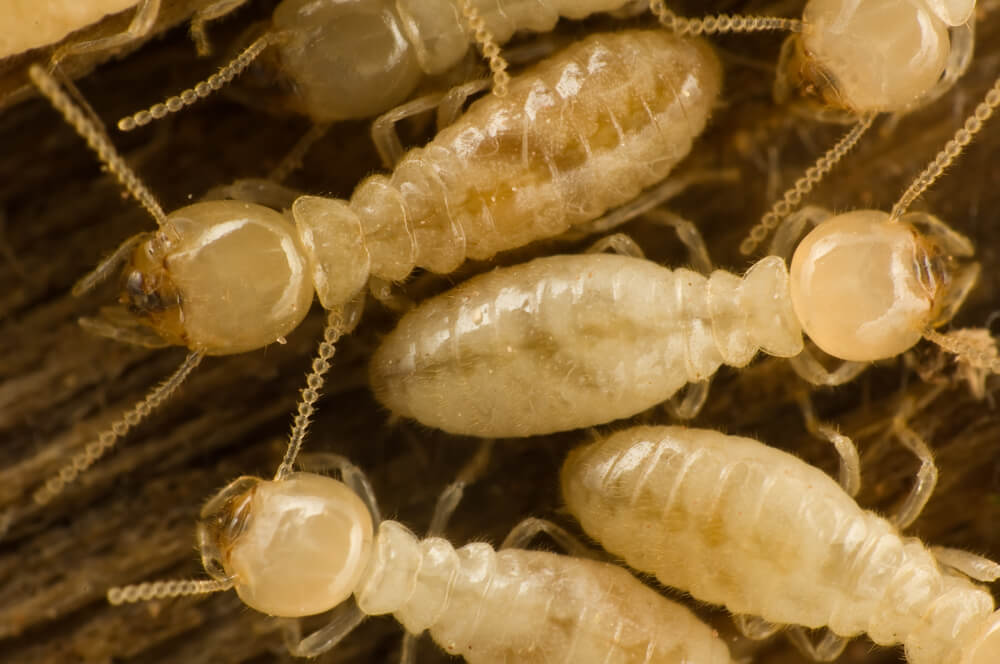
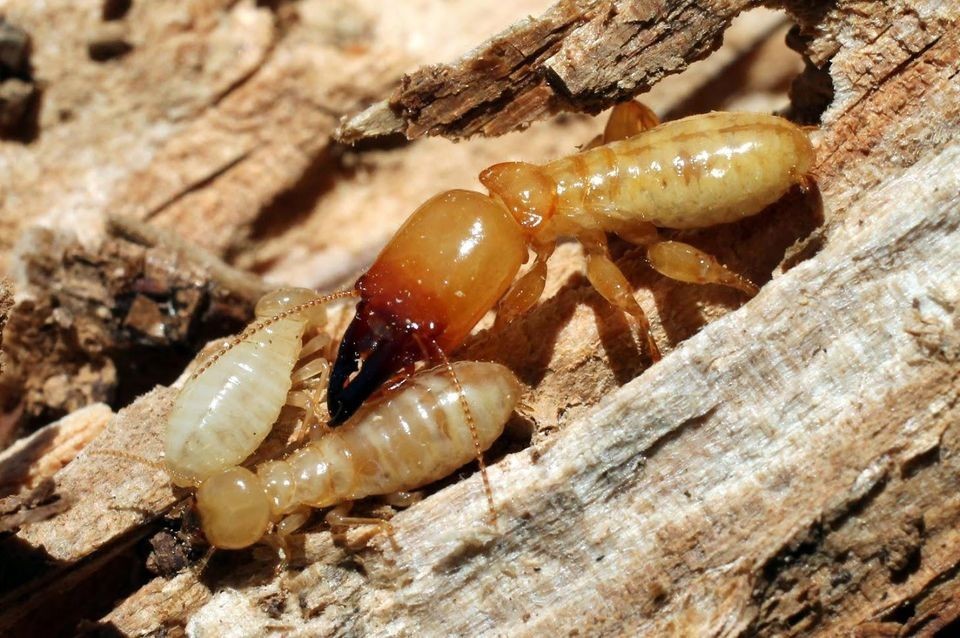
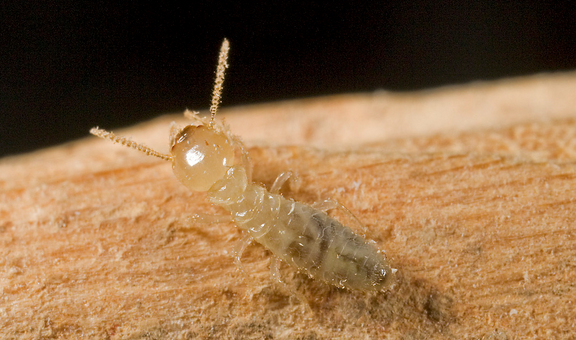
Pest inspections go well beyond spotting visible insects or rodents. Experienced inspectors use specialized knowledge to detect subtle clues of infestation, such as small holes in wood, signs of nesting, droppings, or damage to insulation and wiring. For example, termite activity is often undetected for months while quietly weakening the wooden structure of your home or business.
Once hidden problems are identified, clients receive a detailed report that highlights pest types, affected areas, and potential risks. This report serves as the foundation for creating a targeted pest control services plan. Providers operating in the Richmond, VA area ensure thorough documentation and expert recommendations to help mitigate pest damage before it escalates.
Regular inspections are especially crucial for properties with older structures or prior pest history, reducing the chance of unexpected costly damage.
Benefits of Scheduling Residential Pest Control Service in Richmond, VA
For homeowners in Richmond, VA, scheduling a residential pest control service provides numerous benefits beyond simply eliminating pests. Regular pest control treatments reduce the presence of ants, spiders, rodents, and other common household invaders that can affect your comfort and health.
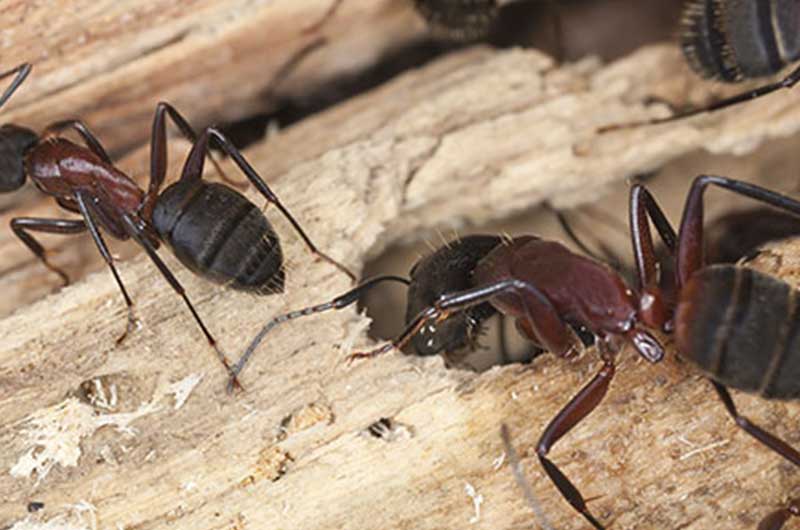
Additionally, controlling pests like termites and carpenter ants protects the integrity of wooden structures, preserving your home’s market value and safety. Effective pest management also helps reduce allergens and the risk of contamination from rodent droppings or insect-borne bacteria.
Another advantage of residential pest control services is improving outdoor living spaces by reducing stinging insects and mosquitoes, allowing families to enjoy their yards safely. When selecting pest control services in Richmond, VA, homeowners receive tailored plans based on their property’s layout, risk factors, and pest pressure.
How Pest Control Services in Richmond, VA, Include Detailed Inspections and Customized Treatment Plans
Reliable pest control companies operating in the Richmond, VA area, such as PermaTreat Pest and Termite Control, combine detailed inspections with customized treatment plans to maximize effectiveness. The process begins with a comprehensive inspection, examining all potential pest entry points, nesting areas, and conducive conditions like moisture accumulation.
Following the inspection, technicians design a treatment plan specific to the types of pests detected and the unique features of the property. This may include preventive measures, targeted pesticide applications, and strategies to minimize future risks.
Throughout the treatment process, providers maintain open communication about the products used, safety precautions, and what clients can expect during and after service. Quality control measures and cleanup protocols are part of the service to ensure that your home or business remains safe and pest-free.
The Value of Pest Control Services for Businesses in Richmond, VA
Pest infestations in commercial settings can have serious consequences, from health violations to damage of inventory and equipment. Businesses operating in Richmond, VA, benefit from scheduled pest control that helps maintain clean and safe environments for employees and customers.
Commercial pest control plans are often tailored to the specific needs of the business, whether it’s a restaurant, office, retail space, or warehouse. In addition to controlling visible pests, these services address regulatory requirements by providing documentation and follow-up inspections.
Ongoing pest control services help prevent sudden infestations that can disrupt operations and protect your business reputation within the Richmond community.
The Importance of Ongoing Pest Control Maintenance
While a single pest control treatment can provide immediate relief, ongoing maintenance is vital to keeping pests at bay over time. Seasonal weather changes, moisture levels, and local pest activity fluctuate throughout the year, making scheduled follow-up visits essential for lasting protection.
Pest control providers in Richmond, VA, offer maintenance plans that include routine inspections, minor treatments if needed, and updates to prevention strategies. This continuous approach reduces the risk of reinfestation and helps homeowners and business owners avoid costly emergency treatments.
For residential and commercial properties alike, investing in regular pest control maintenance creates peace of mind and preserves the safety and value of your property.
Take Action Today: Protect Your Richmond, VA Property From Pests
For residents and business owners in Richmond, VA, understanding the importance of scheduling professional pest control services is the first step toward effective pest management. PermaTreat Pest and Termite Control offers expert inspections and customized treatment plans, serving Richmond, VA, with dedication and professionalism.
Don’t wait until pests cause irreversible damage or health concerns.
Contact PermaTreat Pest and Termite Control today at 866-737-6287 to schedule your inspection or learn more about our comprehensive pest control services. Visit our contact page to discover how we can help you maintain a safe, pest-free environment for your home or business in Richmond, VA.























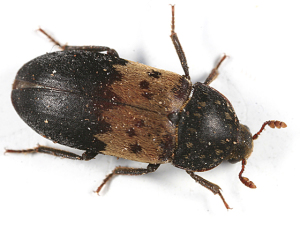
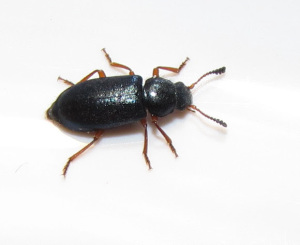

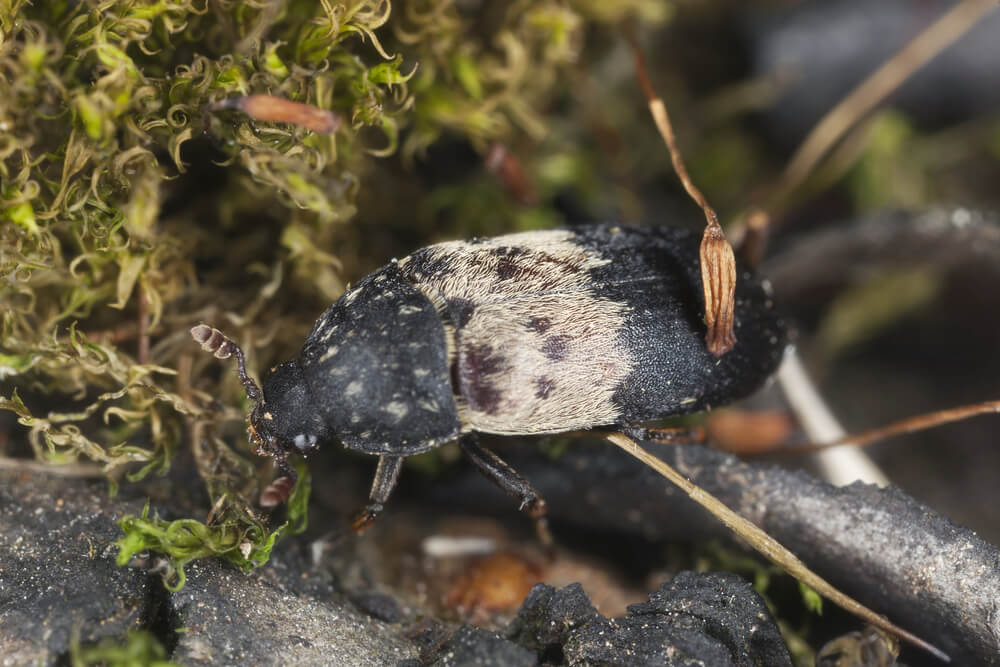
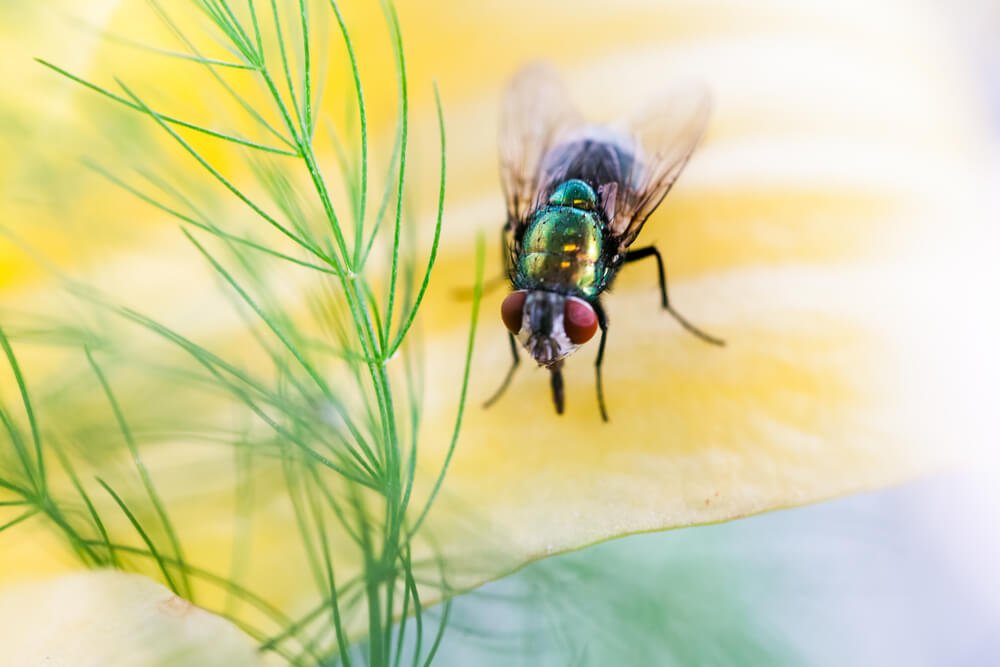
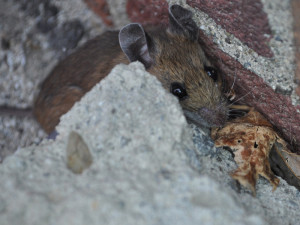
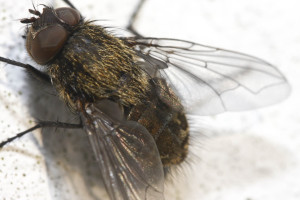
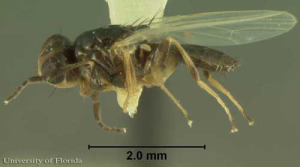 ham, bacon, or beef steaks that are rotting or salted, bones, smoked or salted fish, and carcasses.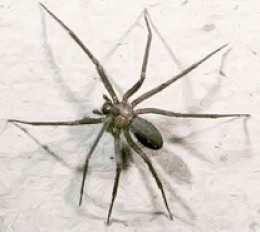
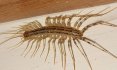
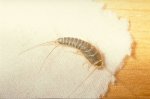
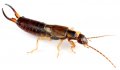

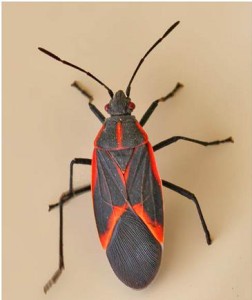
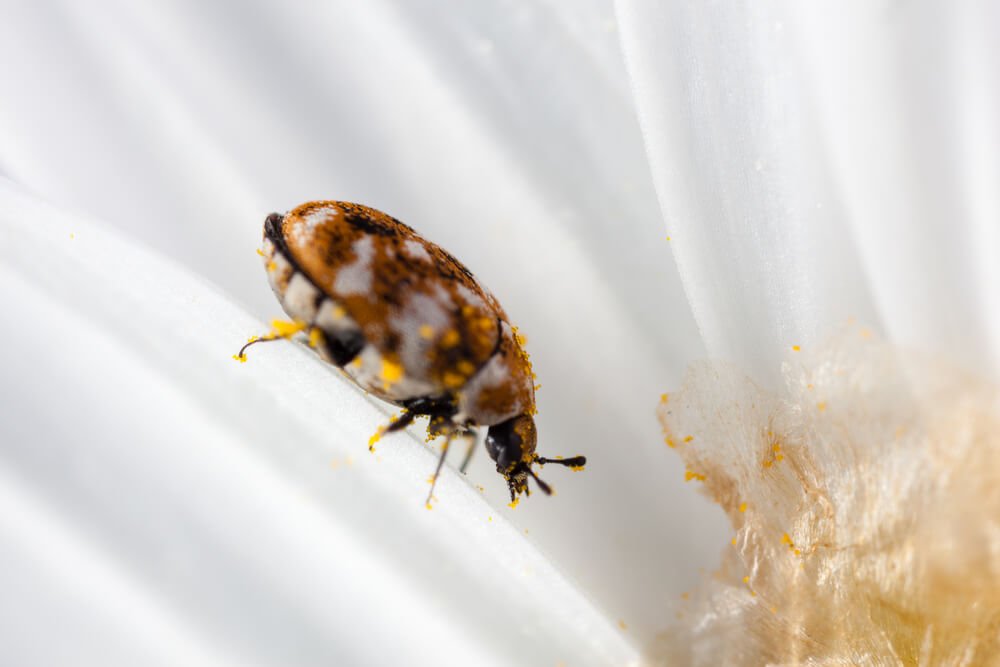
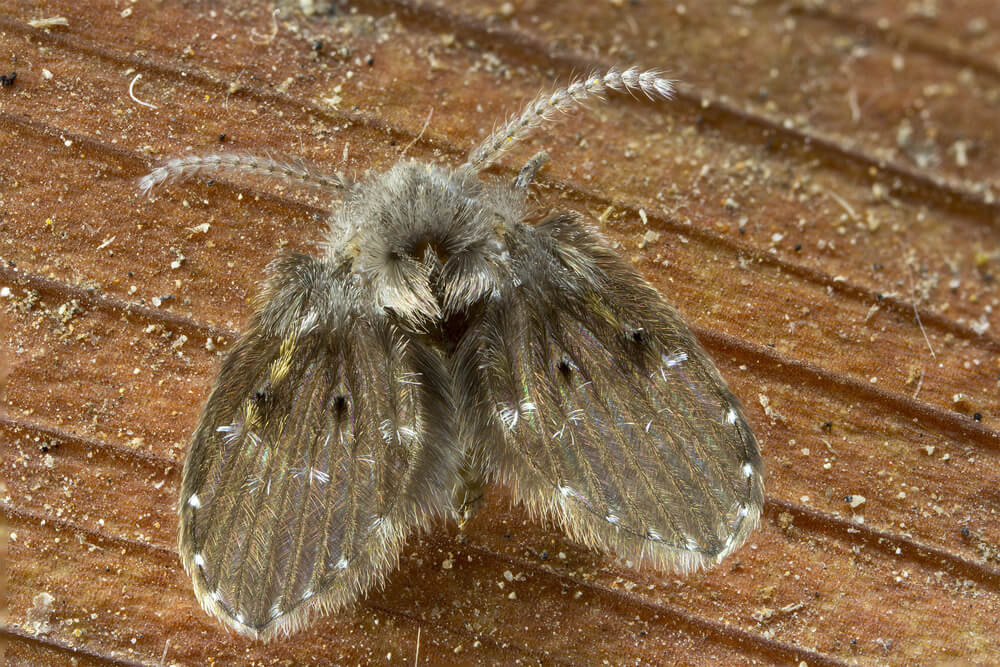
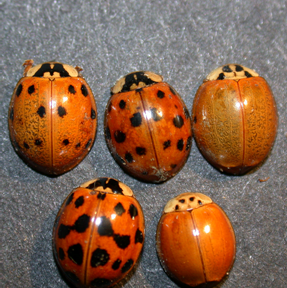
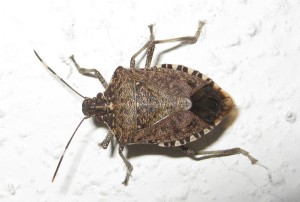 brown and white markings along outer edges of abdomen, and white bands on antennae.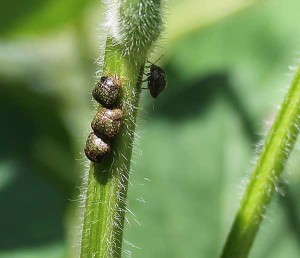
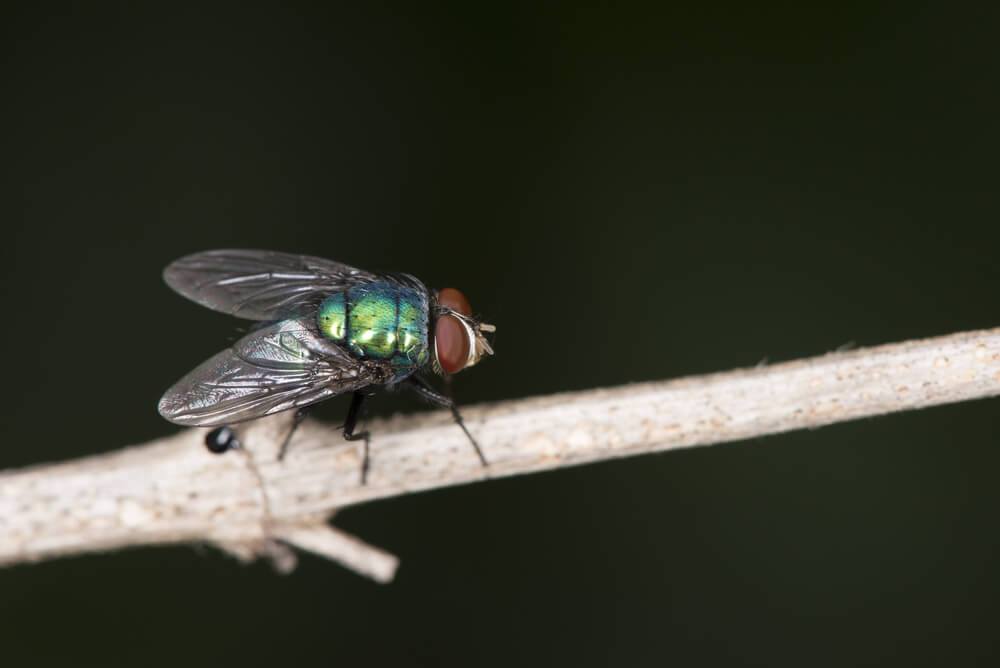
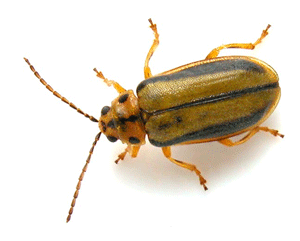 ipe, 3 black dots on thorax.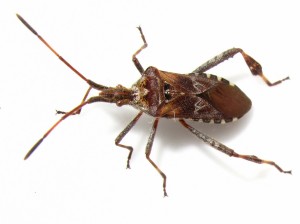

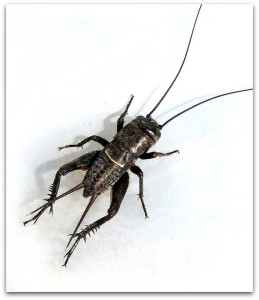
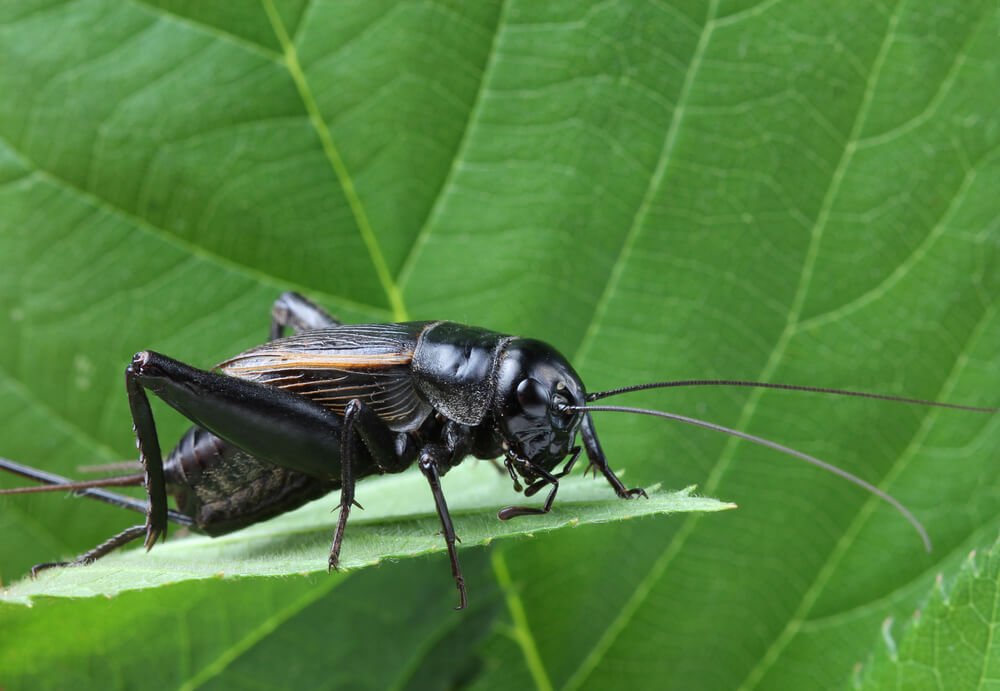
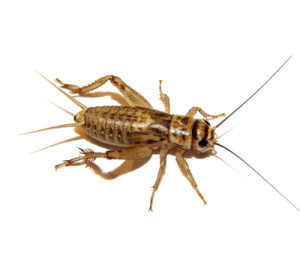 House cricket – The house cricket is typically gray or brownish in color, growing to 16–21 millimetres (0.63–0.83 in) in length. Males and females look similar, but females will have an ovipositor emerging from the rear, around 12 millimetres (0.47 in) long. The ovipositor is brown-black, and is surrounded by two appendages. On females, the cerci are also more prominent.
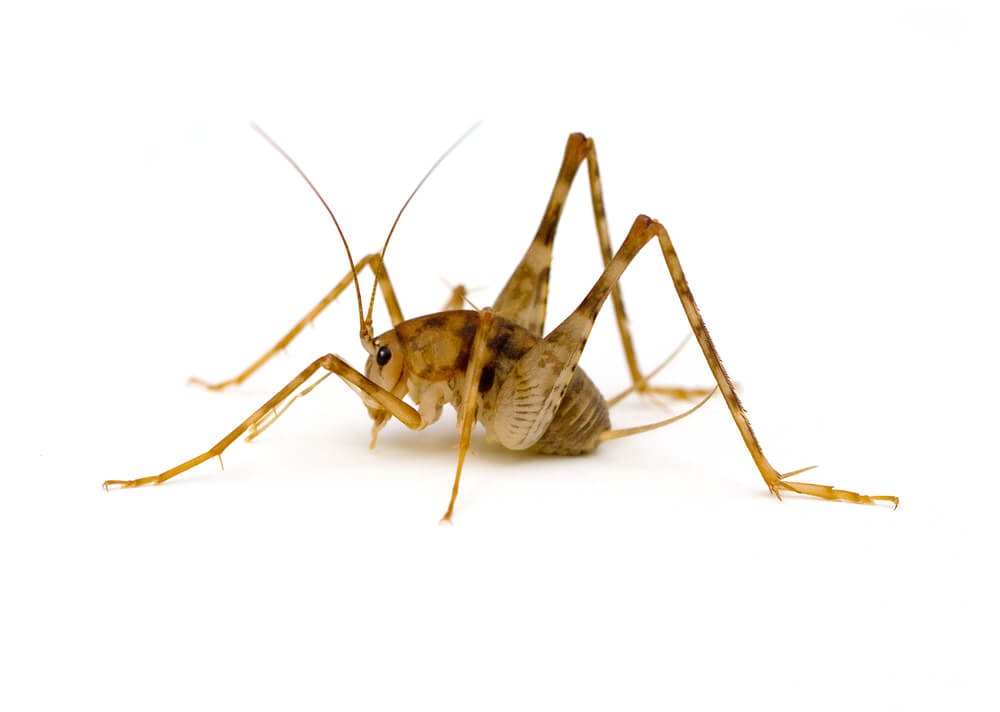
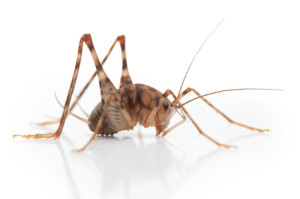 Camel cricket – Camel crickets also known as “sprickets,” spider crickets and cave crickets have an arched back and long hind legs. The ones scientists would expect to find in North America are thick-bodied and a mottled brown in color; they belong to the genus Ceuthophilus. Because they are scavengers, camel crickets may actually provide an important service in our basements or garages, eating the dead stuff that accumulates there. Camel crickets indeed are not picky eaters they will eat anything from American cheese to dead fire ants to human feces to fallen fruit.
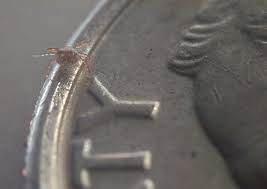
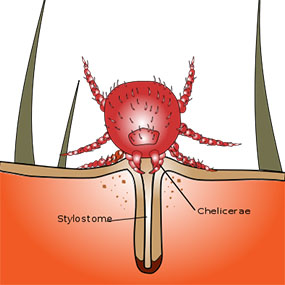
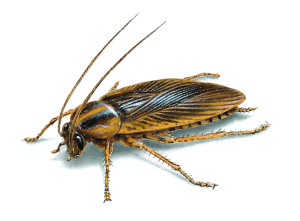
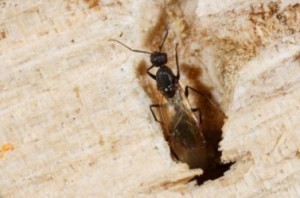
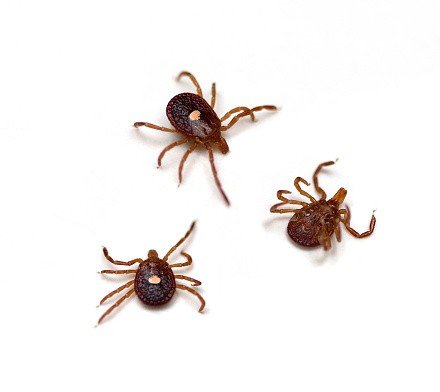
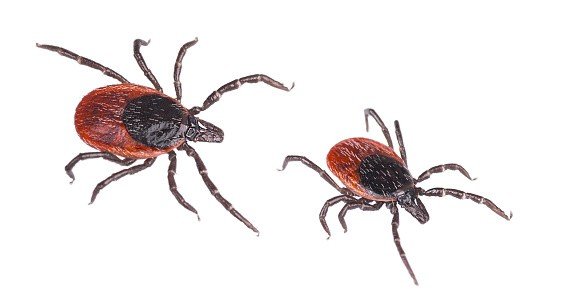
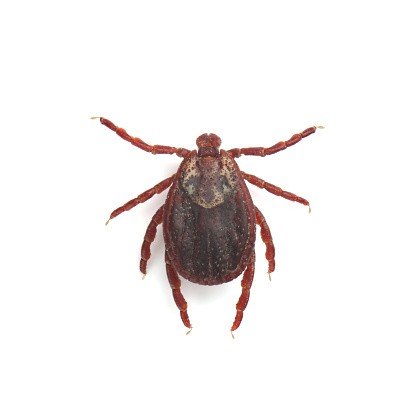


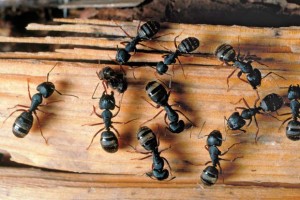











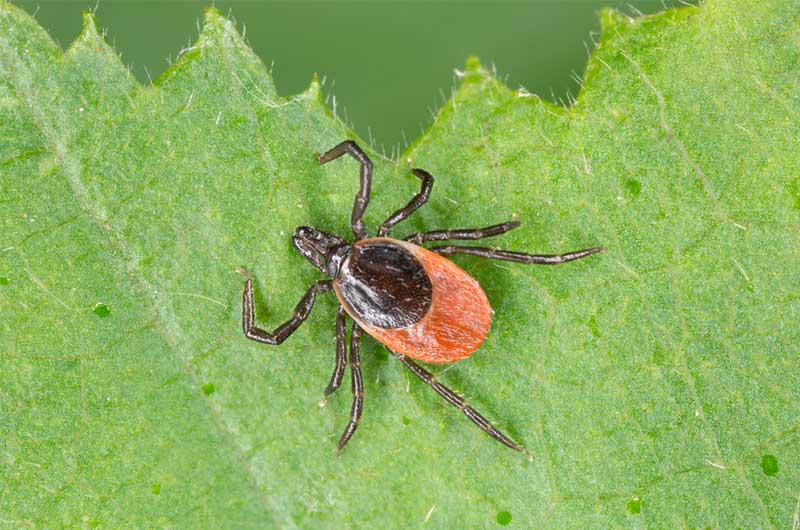
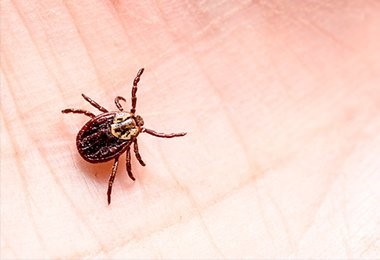
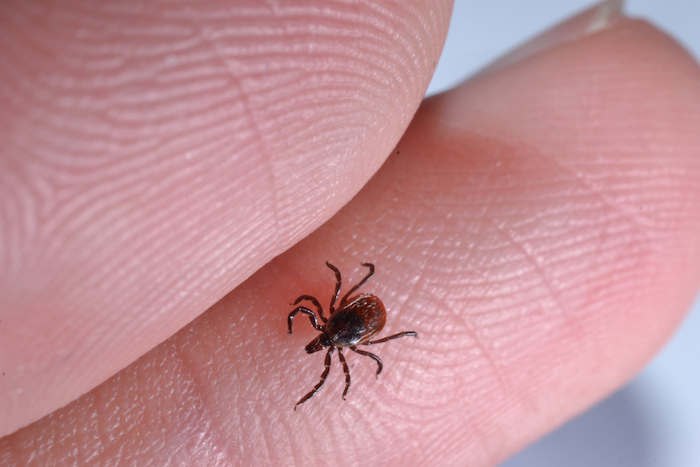
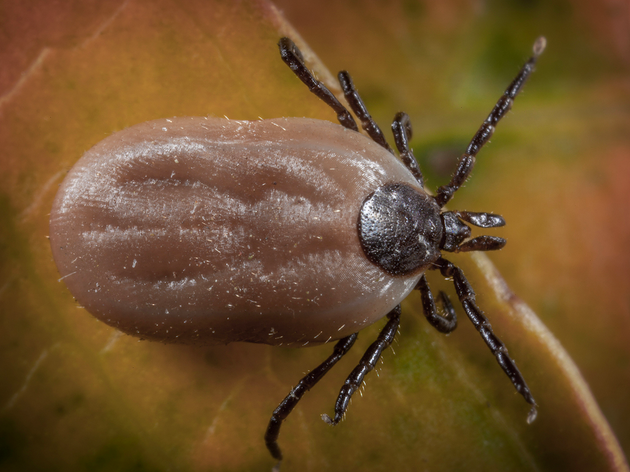
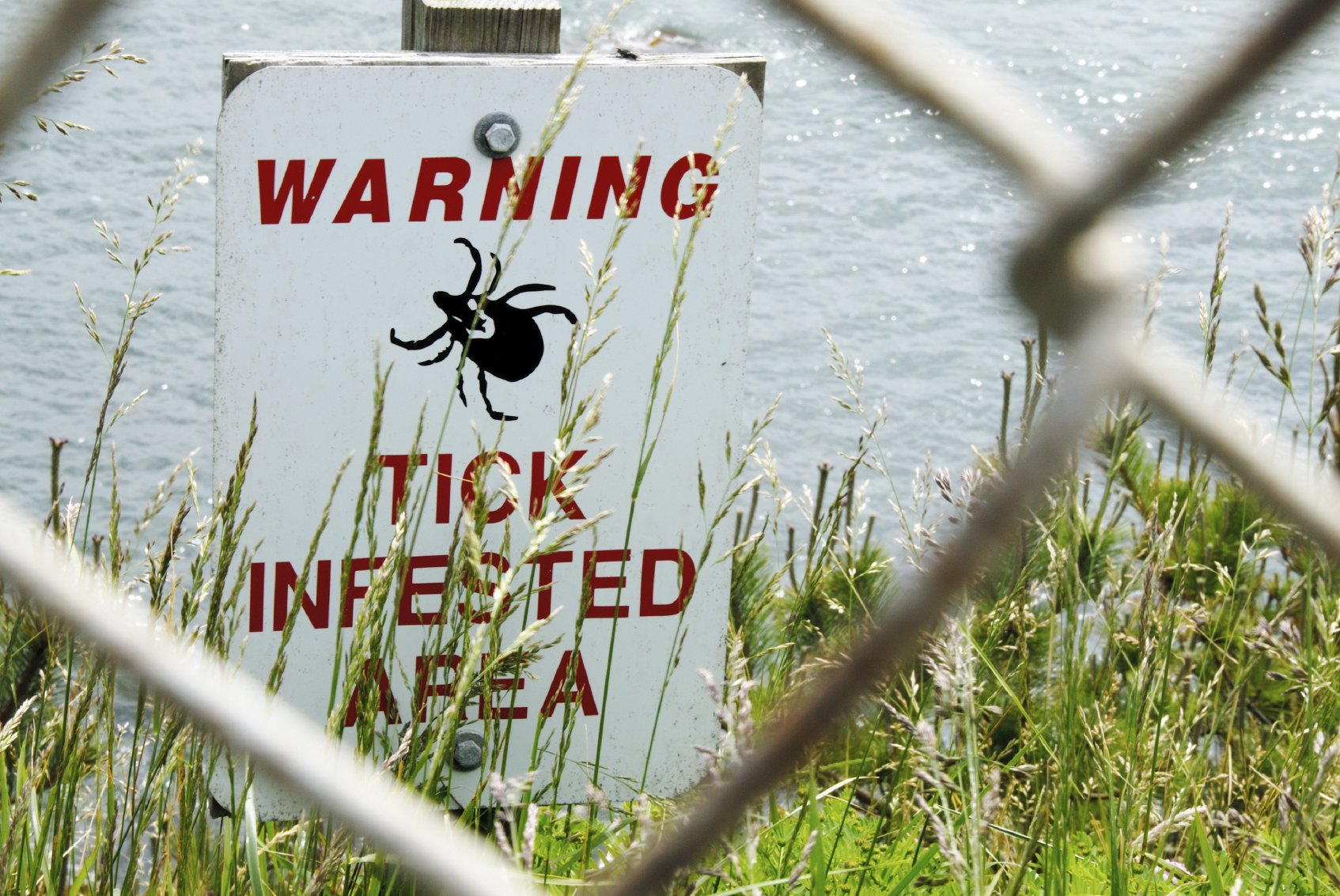
 Questions about ticks?


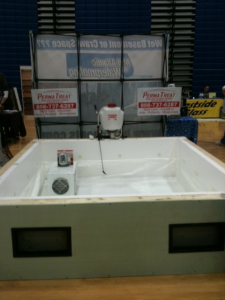 he 2013 King George Home Show was a huge success with vendors of all types showing off their products and services. We had our local representative, Brian Jarvis, at the event all weekend, and Brian Harris was answering questions on Sunday as well.
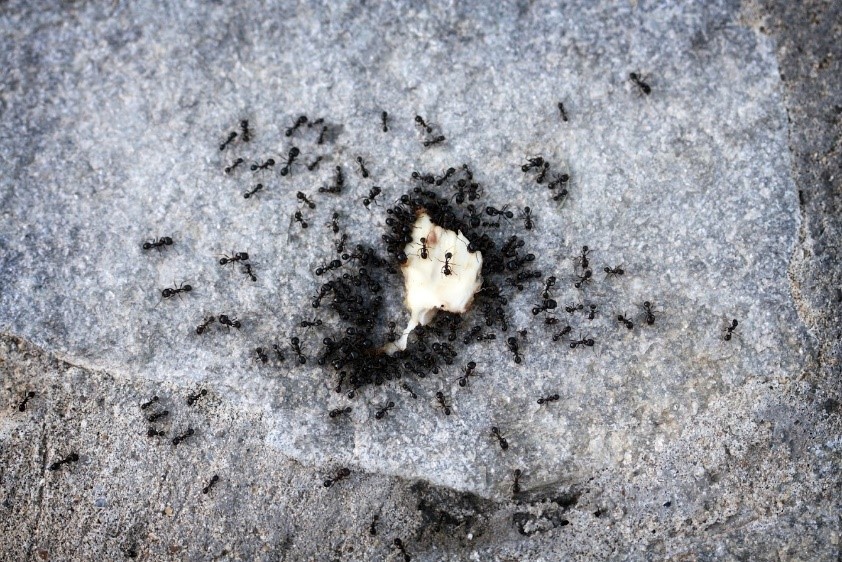
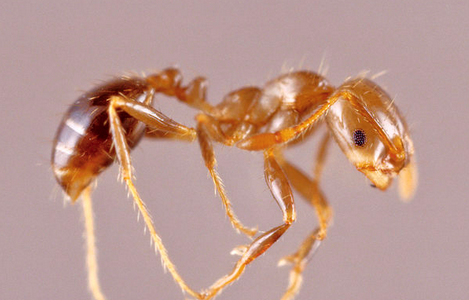
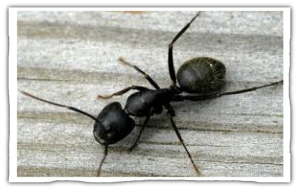
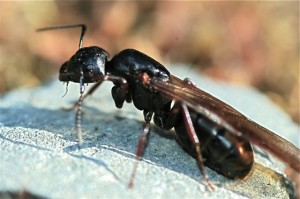
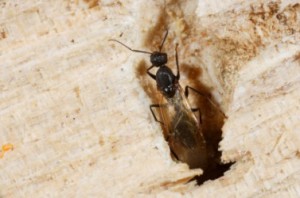
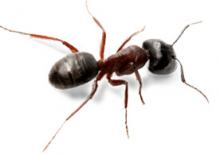
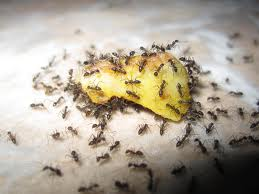
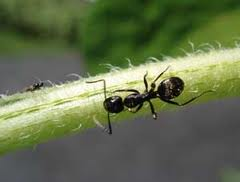
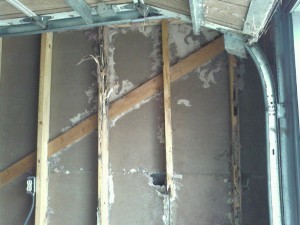 This winter has been mild enough that many King George residents have had Ant infestations, even thoughout the winter. The two most common ant problems mentioned were infestations of Pavement Ants and Carpenter Ants. The high moisture content in these King George homes make Carpenter Ant infestations a leading pest problem.
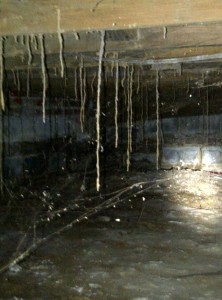
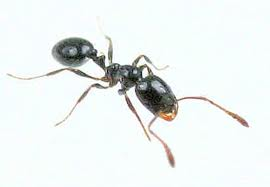
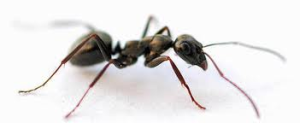
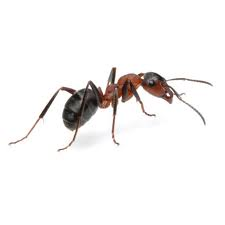

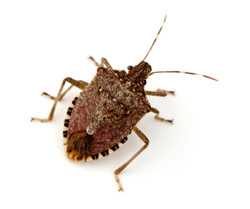
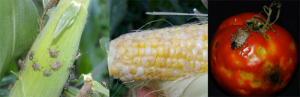
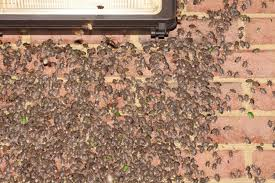

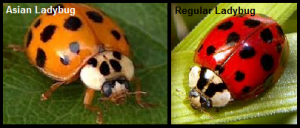











 It is also helpful to cut back on overgrown plants in the yard, especially any that are right next to the house. An additional option is set light traps around the home, as stink bugs are attracted to both light and warmth. Because of this, stink bugs (in particular the Brown Marmorated Stink Bug, the most common stink bug found in Virginia) tend to congregate mainly on the south and westward-facing surfaces of buildings (because of the sun). Therefore, extra attention should be given to these parts of the home.
 Avoid using insecticides on the stink bugs you can't reach with the vacuum cleaner, as they may die in voids in the wall. Dead stink bugs attract other pests, which may lead to an infestation of the pests that feed on them, such as carpet beetles. If this isn't sufficient in getting rid of the problem, or if you have a large infestation, call a pest control company to get the stink bug population under control and out of your home.
 The symptoms of encephalitis are:
 St. Louis Encephalitis – This is closely related to the West Nile Virus, and is transmitted by the same species of mosquito. This disease is actually milder in children than adults, and elderly individuals are much more likely to develop severe neurological effects from the disease. Fatality rates range from 5 to 15%. Mild infections can occur without any symptoms besides a fever and headache. More severe infections include neck stiffness, stupor, disorientation, coma, tremors, convulsions, and mild paralysis. Mosquitoes become infected by feeding on infected birds.
 Some tips on avoiding exposure include:
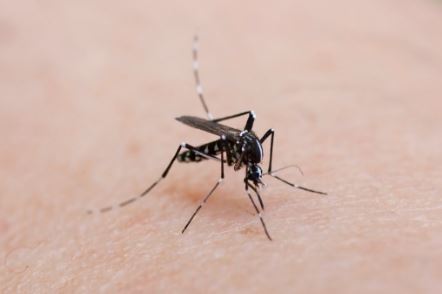
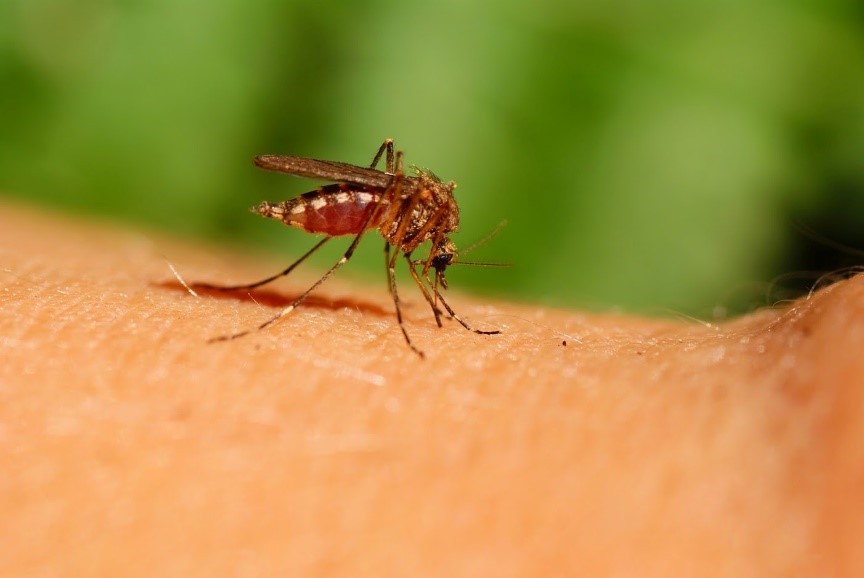
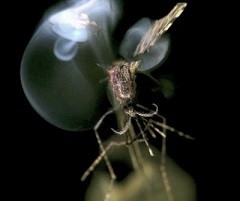
 West Nile Virus is a zoonotic arbovirus, meaning that it originates in arthropods, in this case the mosquito. It is described as zoonotic due to the fact that it can be transferred from one species to another. For a long time West Nile was not considered to be a threat to human beings – it was thought to pass from mosquito to bird, or mosquito to bird to another animal, such as a horse. Since the discovery of West Nile in the 1930's to the early 1990's, the virus was low on the international radar. This all changed in 1994 when a serious outbreak concerning humans occurred in Algeria, and then later in 1996 in Romania. The first case of West Nile was reported in New York City in 1999. Since then the virus has traversed much of the United States, reaching up into Canada, and down into South America.
 Most cases of infection are relatively minor, ranging from a low-grade fever, and flu-like symptoms, to bouts of fatigue, muscular pain and vomiting. These cases that are the most common do not require any hospital stays and can normally be treated with rest and re-hydration. Less than one percent of cases progress to the point of needing medical intervention, those cases include neuroinvasive symptoms. In order to be designated a neurotropic virus, the pathogen has to have a negative effect on the central nervous system itself, meaning that it is, in essence, attacking nerve cells. These rare, severe cases are classified two different ways. The first is West Nile Encephalitis, which can cause inflammation of the brain. The second is West Nile Meningitis, which causes the erosion of the coverings of the spinal cord and those that cushion the brain. One can also experience extrapyramidal symptoms, such as tardive dyskinesia, which leads to involuntary movement of the muscles. There are a few very specific risk factors that increase one's likelihood to contract a more intensive version of the virus: having received an organ transplant, being over 50 years old, and having either hypertension or diabetes.
 There is currently no human vaccine for West Nile Virus, as most of the time the symptoms involved with exposure clear up all by themselves. There are vaccines available for horses, and it is highly recommended that they are treated with a booster previous to mosquito season. As far as prevention in humans goes, there are several non-medical interventions that can be put into place previous to the spring and summer months. Several sources recommend that individuals sport long-sleeved shirts and pants when about to enter an area that might be rife with mosquito activity. They also recommend that individuals use bug spray, have sturdy screens on the windows, and stay indoors during the peak days of mosquito season. While these are all doable, if not simply common sense suggestions, one would be hard-pressed to find someone willing to don a long-sleeved shirt and long pants in the height of a Virginia summer. So, where does that leave us?


 Did you ever wonder what the proper name was for those tiny black or brown ants that invade your home constantly? If ants are invading your kitchen then most likely you have an Odorous Ant Infestation. Odorous?…well that's an odd name for an ant and it's because they stink, literally!
 There are over twenty varieties of common pests that plague home owners. Common household pests that can and frequently do infest homes include: a variety of ants, a variety of flies, various cockroaches, rodents (such a rats and mice,) termites, stinging insects, a variety of other insects and larger creatures such as squirrels, raccoons and opossums.
 The American cockroach is the largest cockroach found in houses. Females can hatch up to 150 offspring per year. Cockroaches don't get their wings until they become adults.
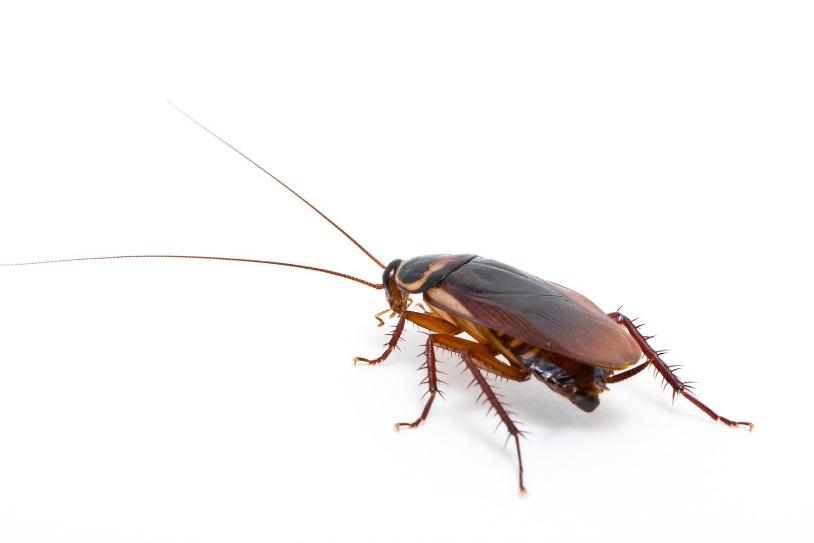
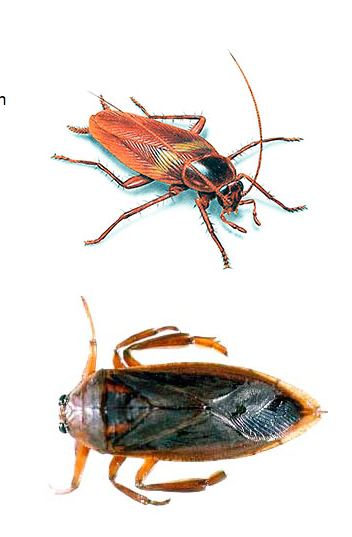
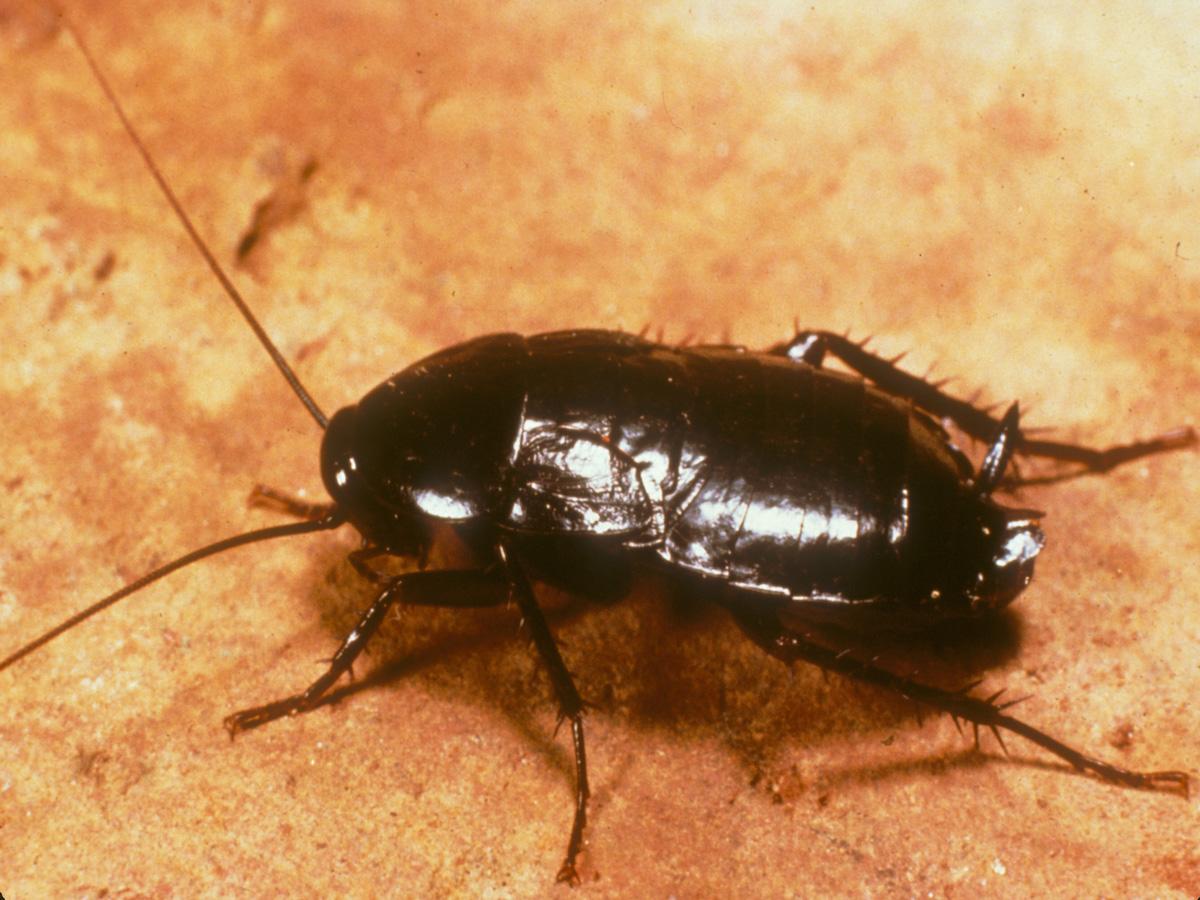
 The oriental cockroach is large and very dark compared to other cockroaches. They usually travel thru sewer pipes and drains. They prefer dirty places and cooler temperatures than other cockroaches. An oriental cockroach creates a strong smell and is considered one of the dirtiest of all cockroaches.
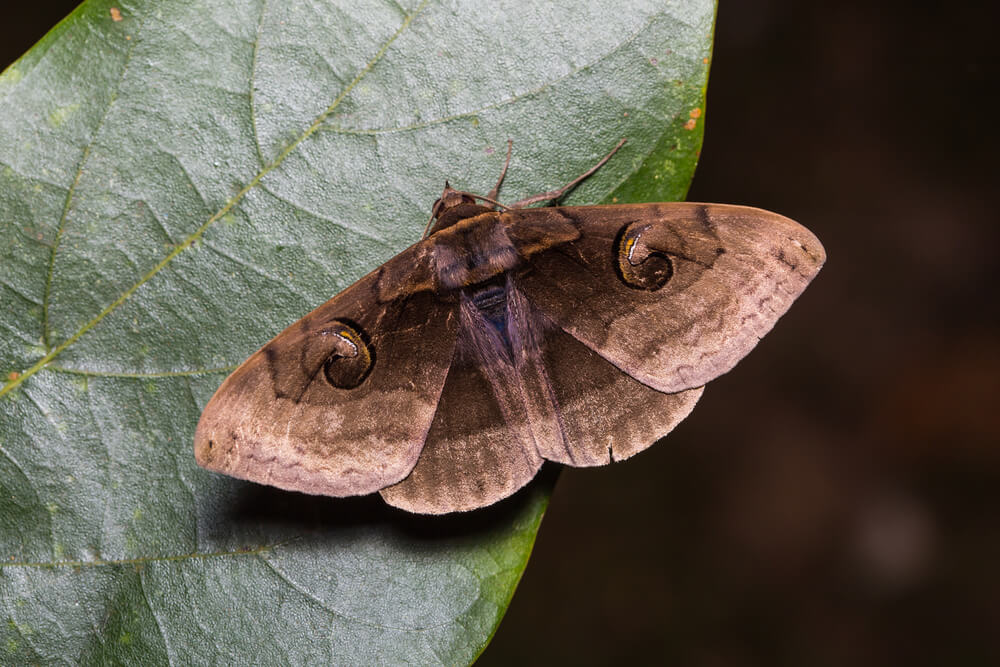
 Beauty is in the eye of the beholder and this moth has it all!…


 Everyone is anxiously looking forward to warm weather, cherry blossoms and the beautiful flowers that bloom in Spring.

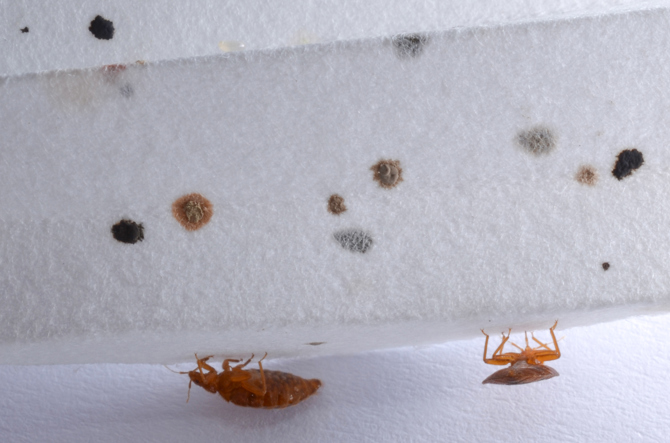
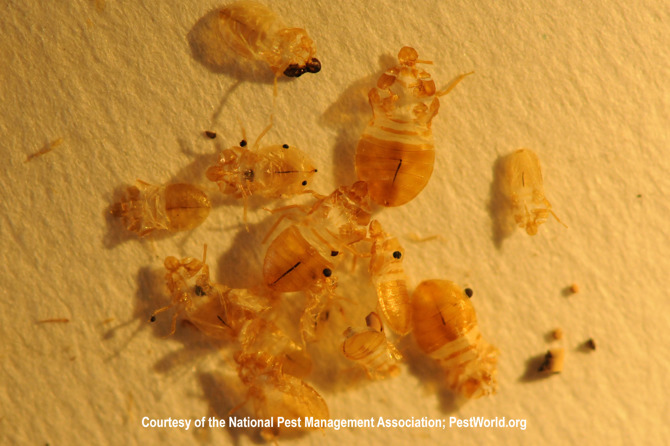
 The threat of bed bugs infesting homes is becoming more prominent and alarming on a daily basis.
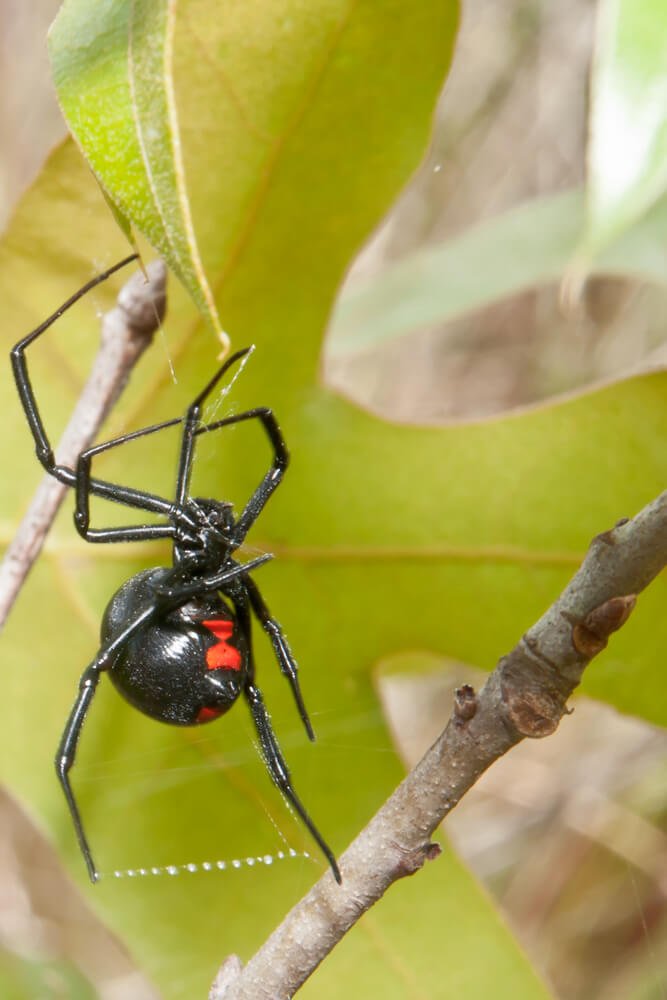
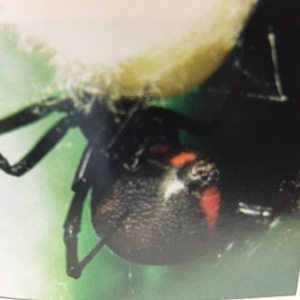
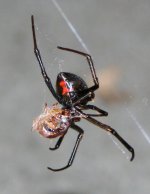
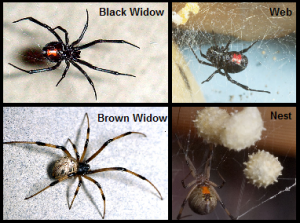
 I’m about a half an inch in body length, shiny black with long black legs. I live in attics, garages, basements, and lots of other secluded places around your home and yard. I can inflict a nasty bite, which requires medical treatment in some cases. Contrary to popular belief I don’t eat my mate, and by the way I have a red hourglass on the underside of my abdomen, sometimes it is a red circle or square or even dots on the top of my body. Have you guessed what I am yet?
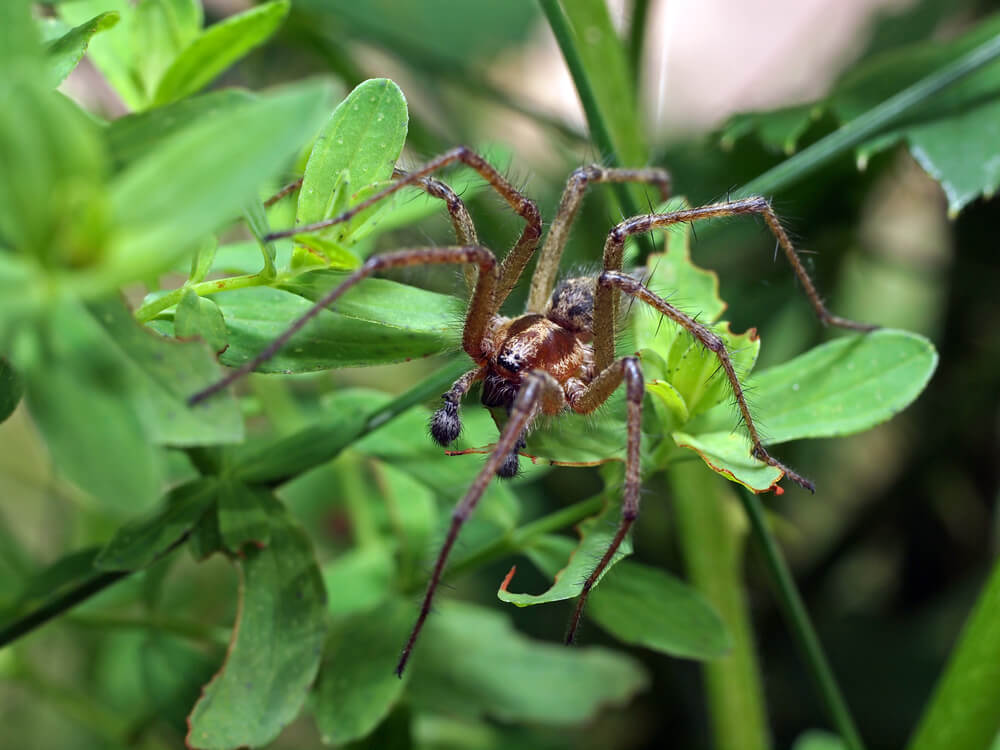
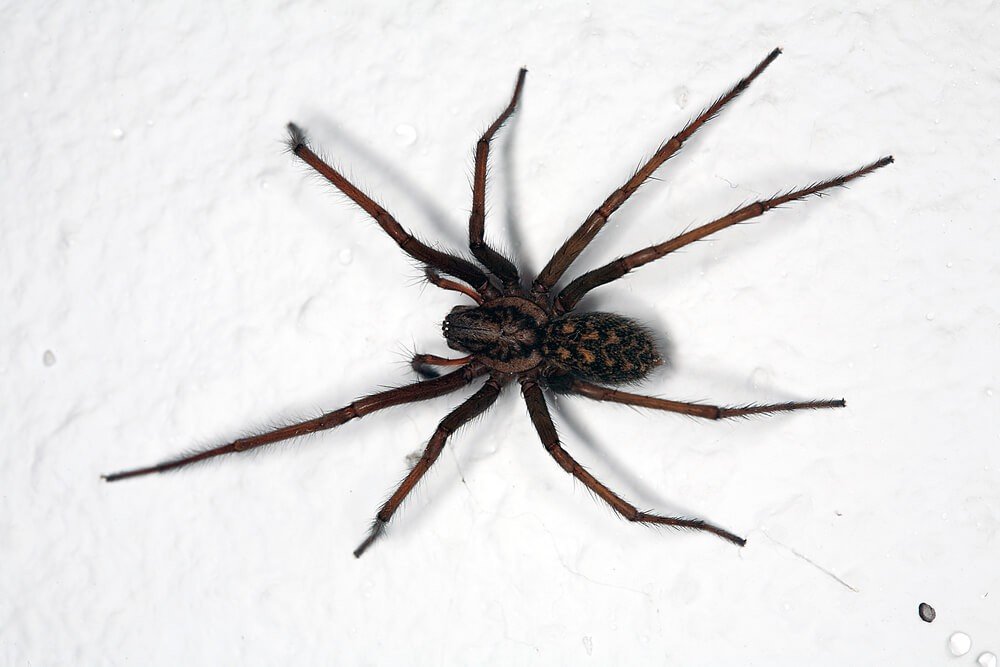
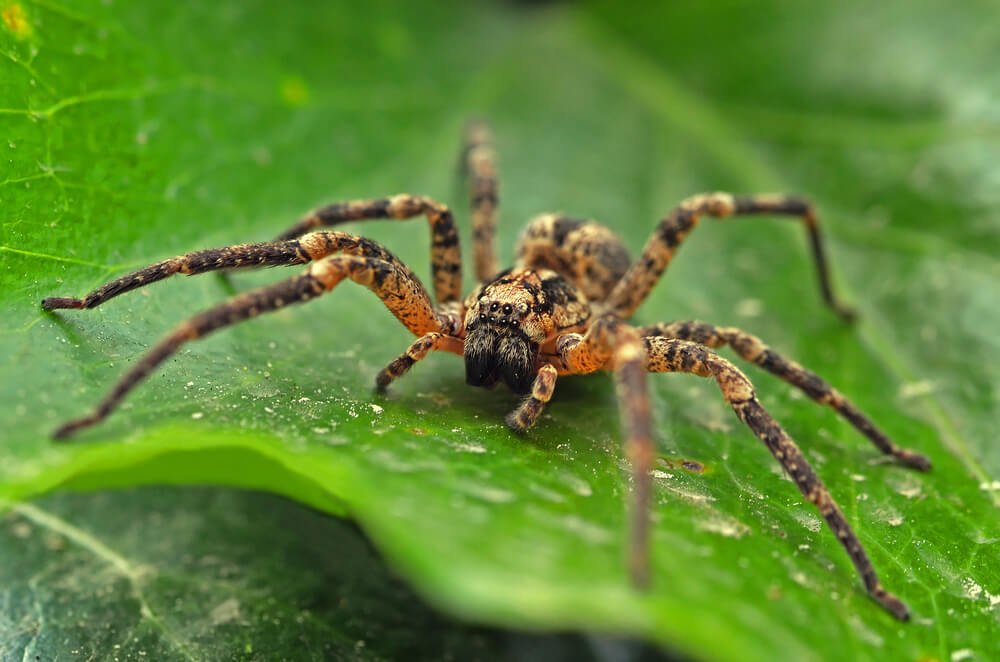
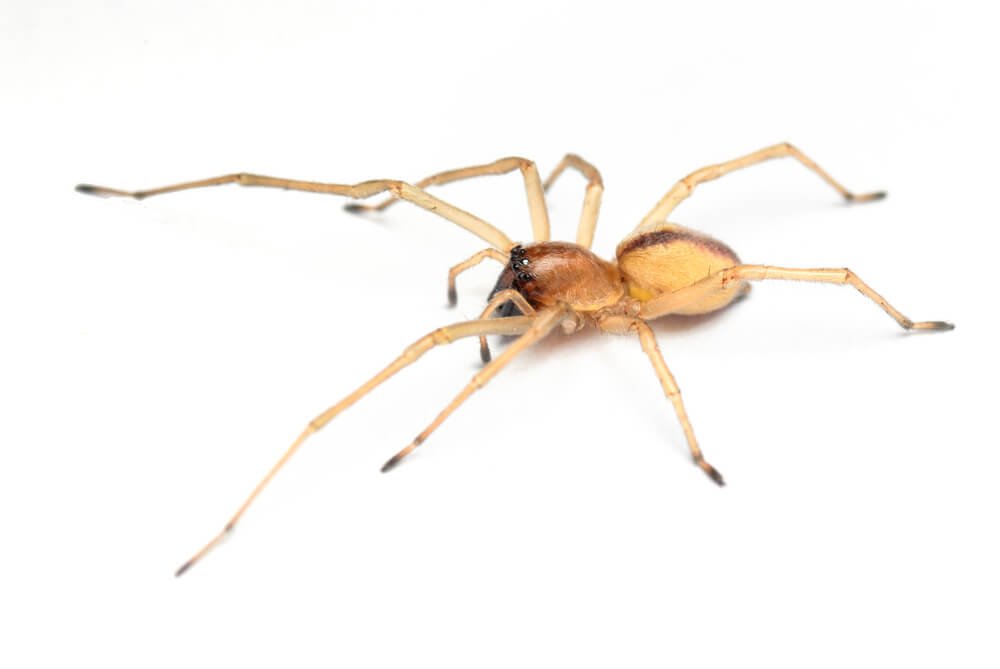
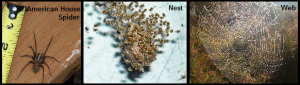
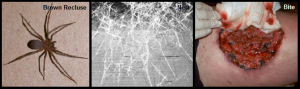
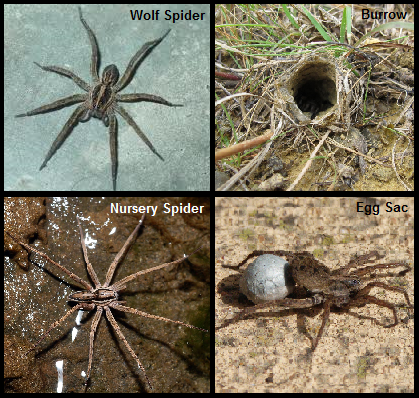
 A few more spiders worth mentioning are the sac spider, this spider is responsible for a majority of the indoor spider bites. Usually their bite results in localized redness and possibly burning, rarely does a necrotic ulcer occur as in the case of the brown recluse or hobo spider bite. Other annoying spiders include the wolf spider, the cellar spider, the grass spider and the house spider, many of which are capable of biting but not a venomous bite.
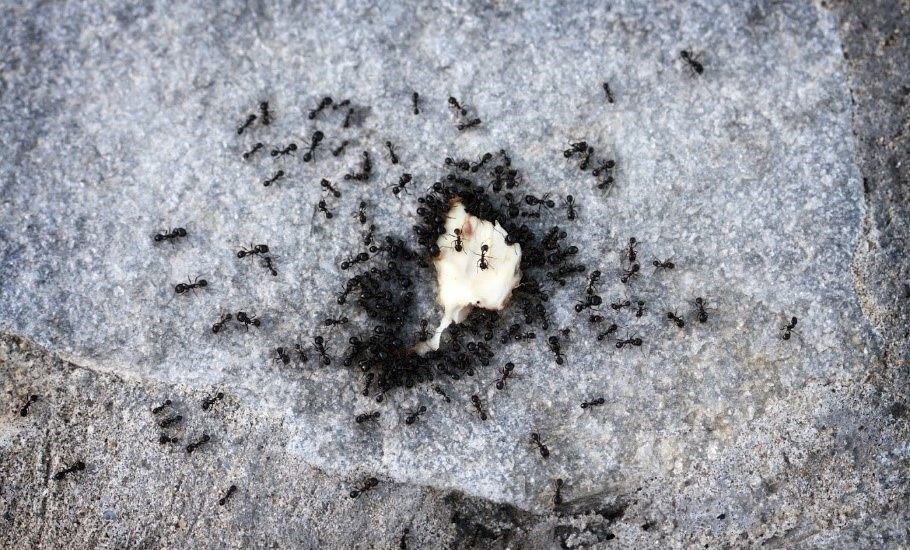
 Sometimes it best to get back to the basics. Below are some of the questions our customers ask when they call us about an ant infestation.

 Fredericksburg Regional SPCA Executive Director Debra Joseph and PermaTreat Pest and Termite Control CEO Joe Wilson hold Ellie, a 10 year old purebred beagle, in front of the SPCA's new Humane Care Center near Four Mile Fork. Mr. Wilson donated the land for the state-of-the-art facility that opened May 7th, 2009.